The Artists
Painters, printmakers, photographers.
Adolphe Faugeron
1866 – 1944French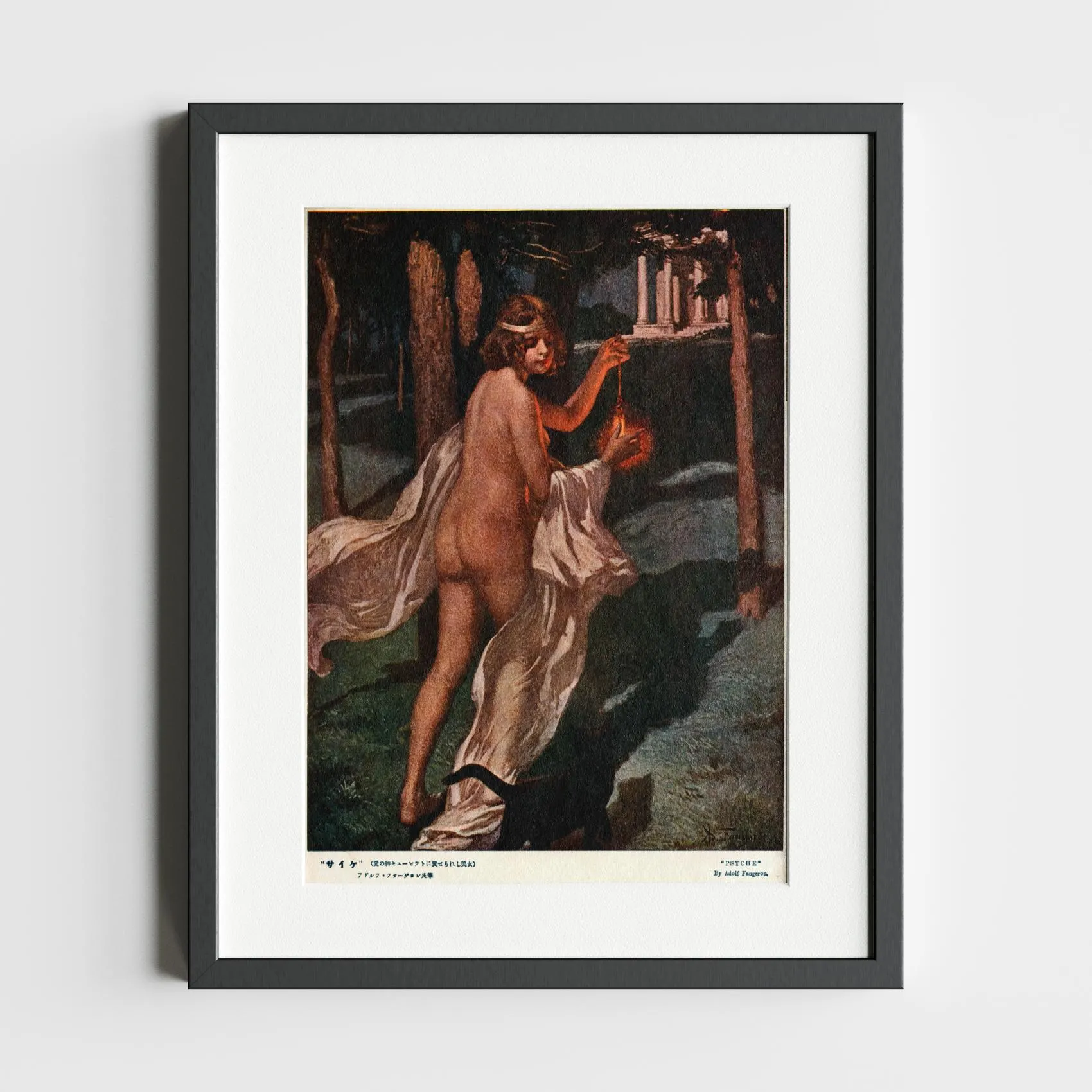
Adolphe Faugeron was a French academic painter trained in the ateliers of Paris during the golden age of Salon painting. Working within the tradition of Bouguereau and Cabanel, he specialized in mythological and allegorical subjects combining idealised figuration with atmospheric landscape. His works were exhibited at the Salon des Artistes Francais.
Anders Zorn
1860 – 1920Swedish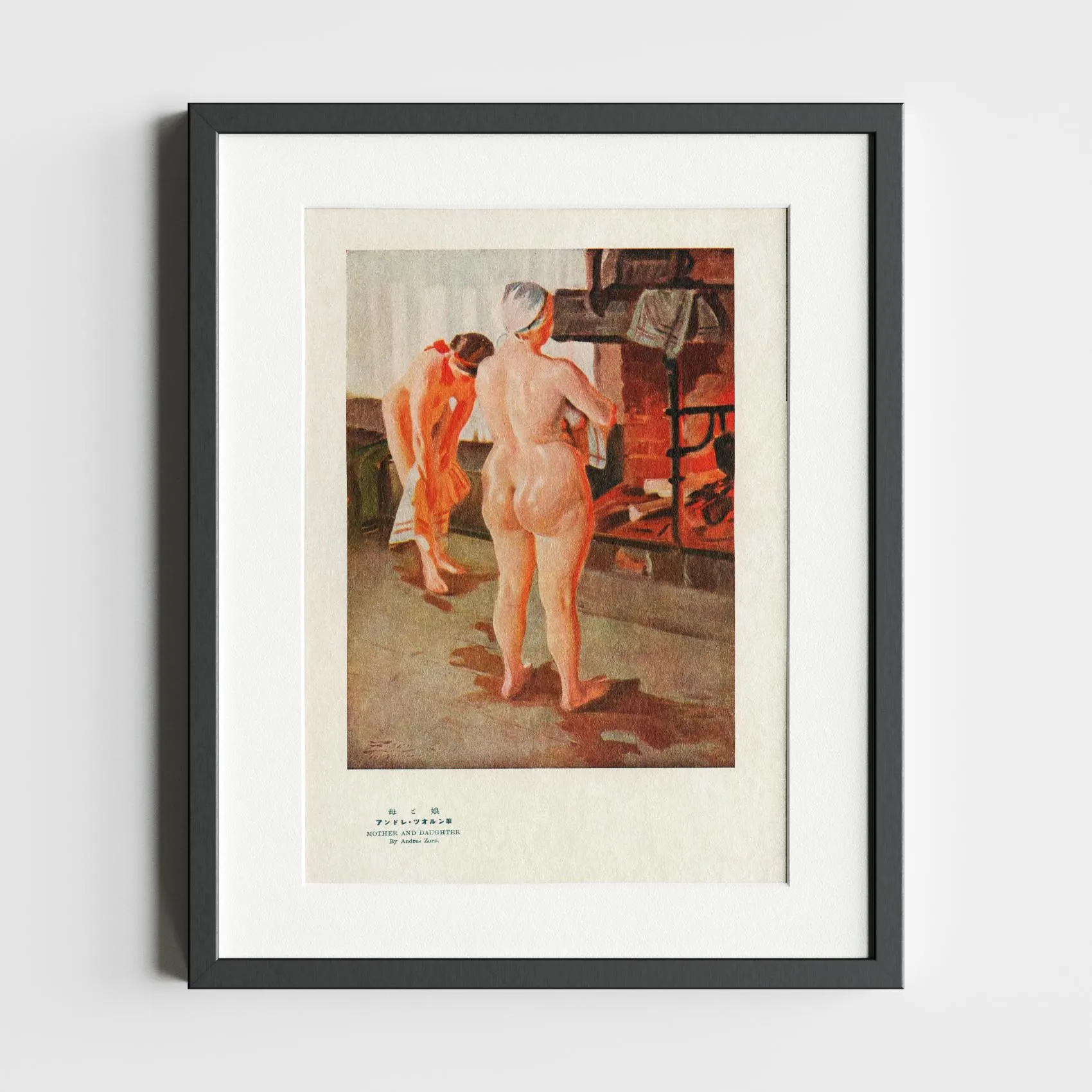
Anders Zorn was one of Sweden's most celebrated painters and etchers, known for his virtuosic handling of watercolour and oil, particularly in depicting water and the play of light on skin. He painted portraits of three American presidents and European royalty. His bathing scenes set in the lakes of his native Dalarna are considered masterpieces of plein-air painting.
Edgar Degas
1834 – 1917French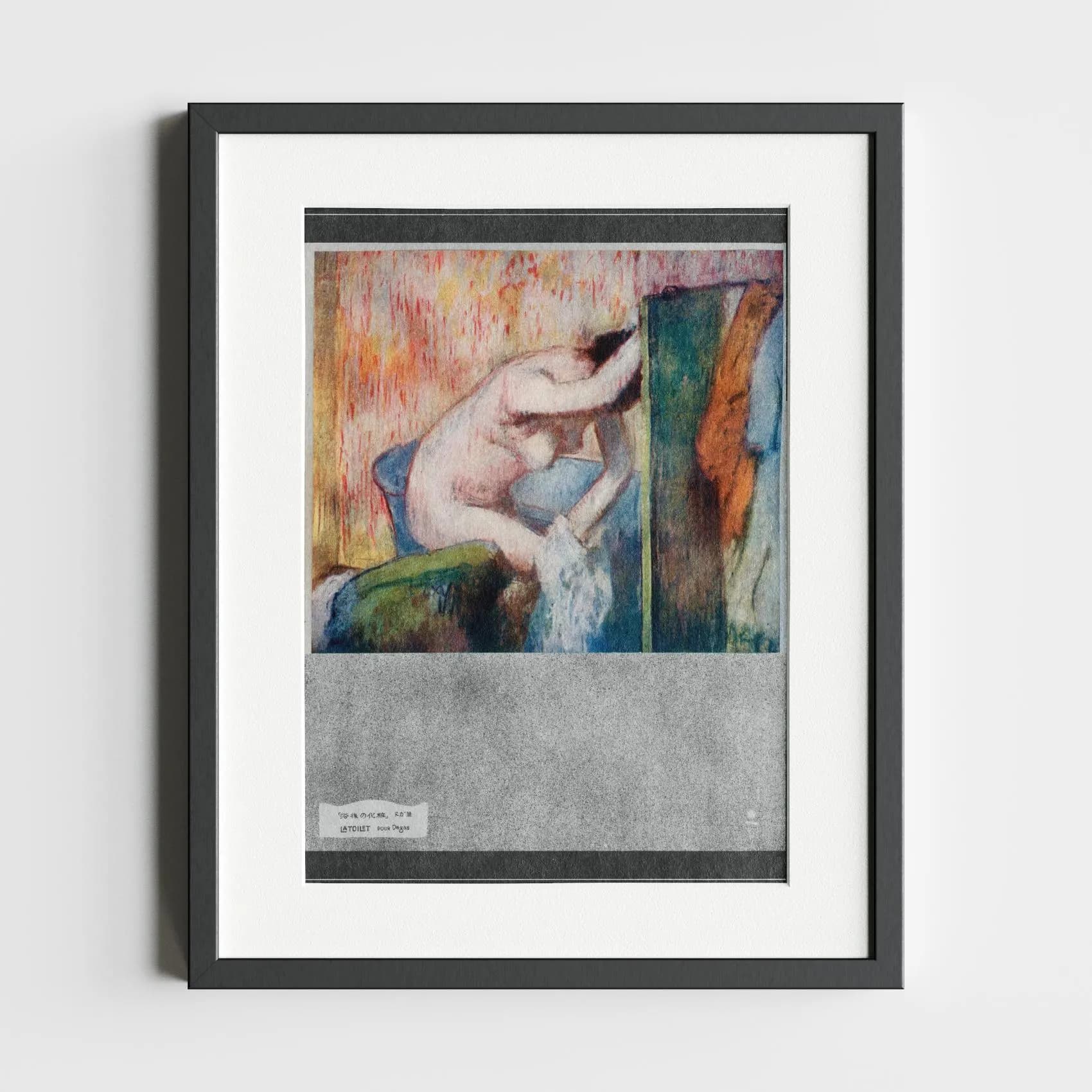
Edgar Degas was a founding member of the Impressionist movement, though he preferred to call himself a Realist. He is renowned for his paintings of ballet dancers, horse racing, and bathers, as well as his innovations in pastel technique. His radical cropping and oblique viewpoints were profoundly influenced by Japanese woodblock prints and photography.
Emile Baes
1879 – 1953Belgian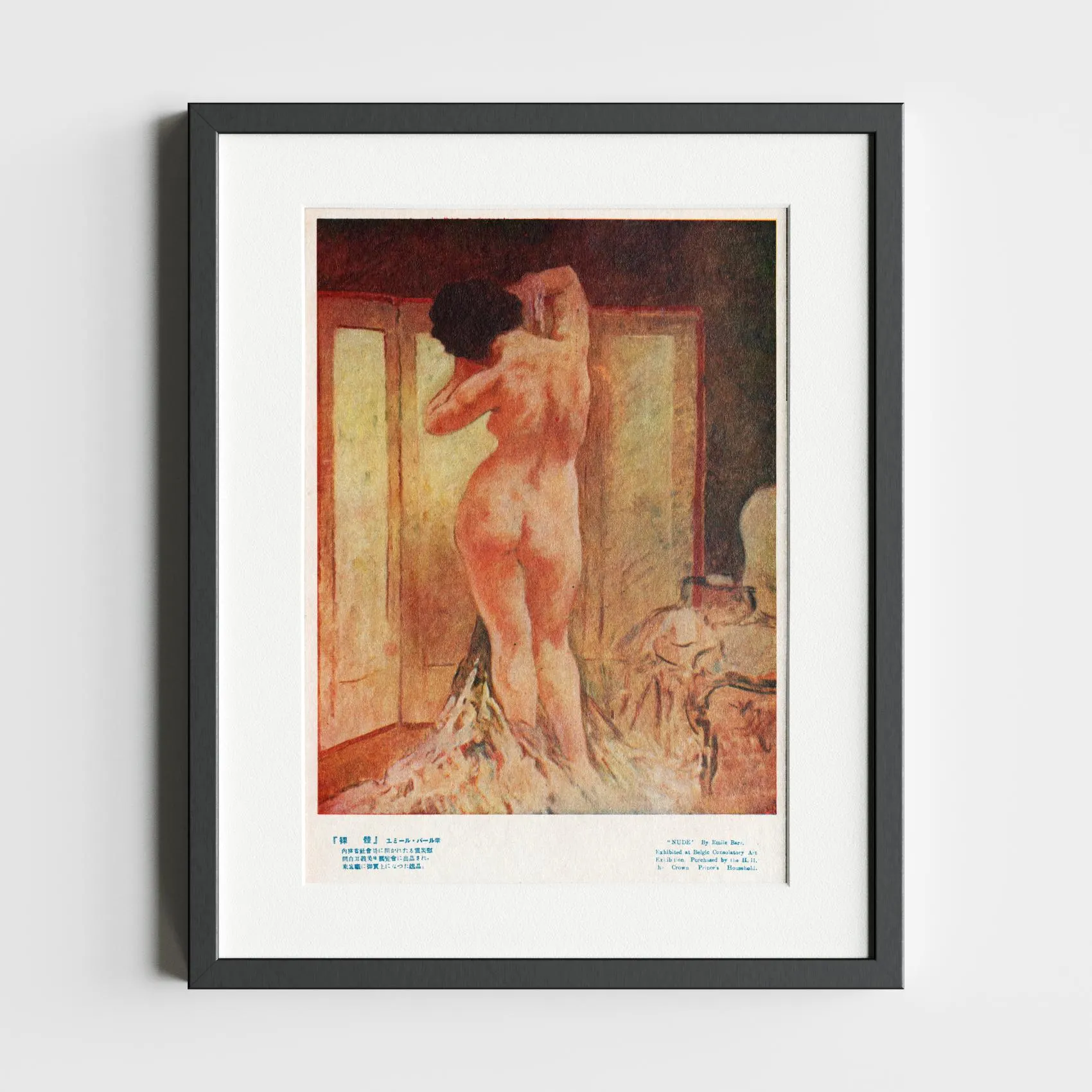
Emile Baes was a Belgian painter from Brussels who studied under Joseph Stallaert, Alexandre Cabanel, and Leon Bonnat. He served as personal painter to King Albert I of Belgium and was awarded Grand Officier of France's Legion of Honour. His work ranged from Post-Impressionist nudes to historical and mythological subjects.
Graeme H. Turbot
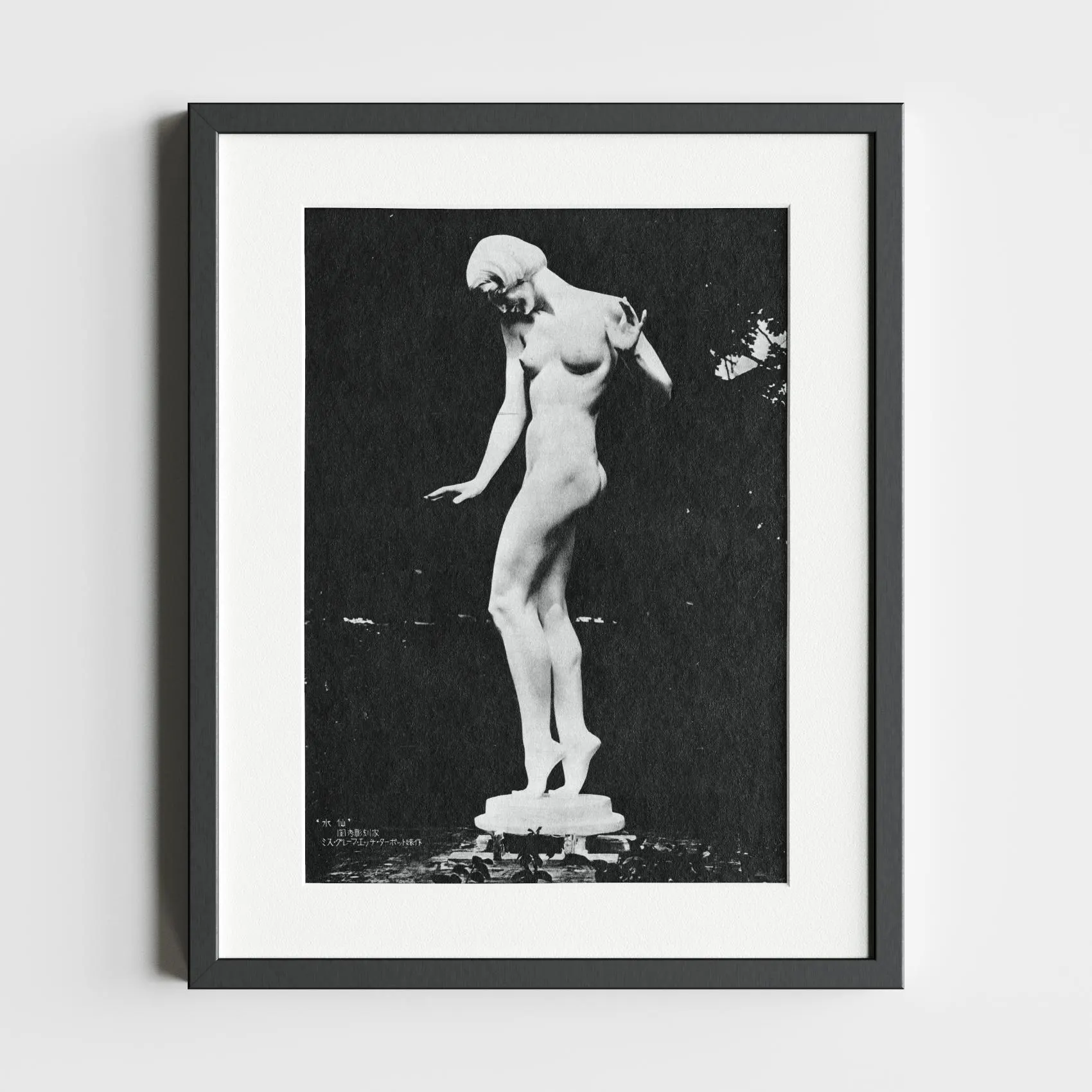
Graeme H. Turbot was a sculptor active in the early twentieth century. Her sculpture "Daffodil", inspired by the Greek myth of Narcissus, was photographed and published in a Japanese art journal in the 1920s — the source of the reproduction in this collection. Little else is reliably documented about her life.
Guillaume Seignac
1870 – 1924French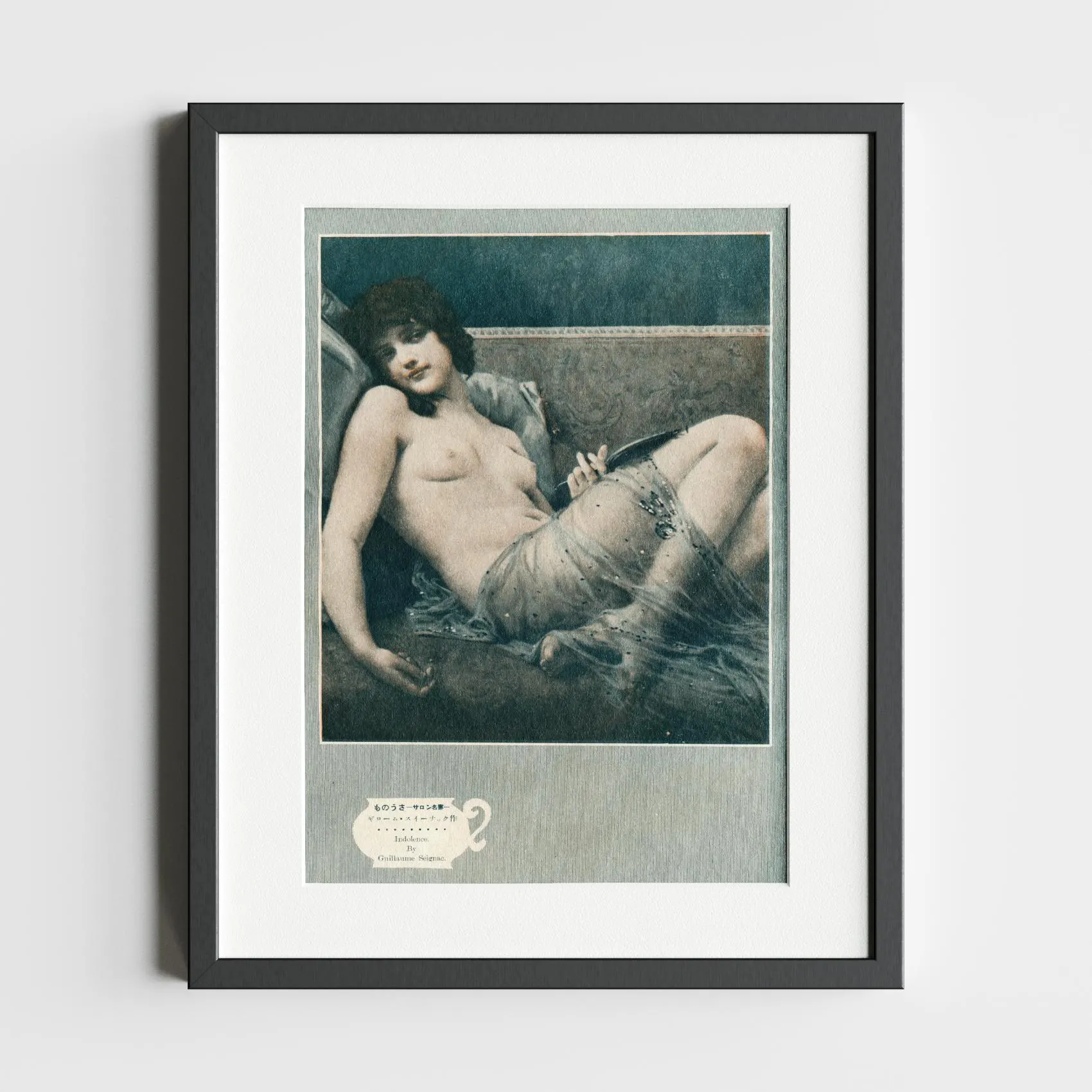
Guillaume Seignac was a French Academic painter who studied under William-Adolphe Bouguereau and Tony Robert-Fleury at the Academie Julian. He specialised in mythological and allegorical subjects featuring idealised female figures, exhibiting regularly at the Salon des Artistes Francais. His work preserves the neoclassical tradition of flawless flesh tones and compositional grace.
Henri Ottmann
1877 – 1927French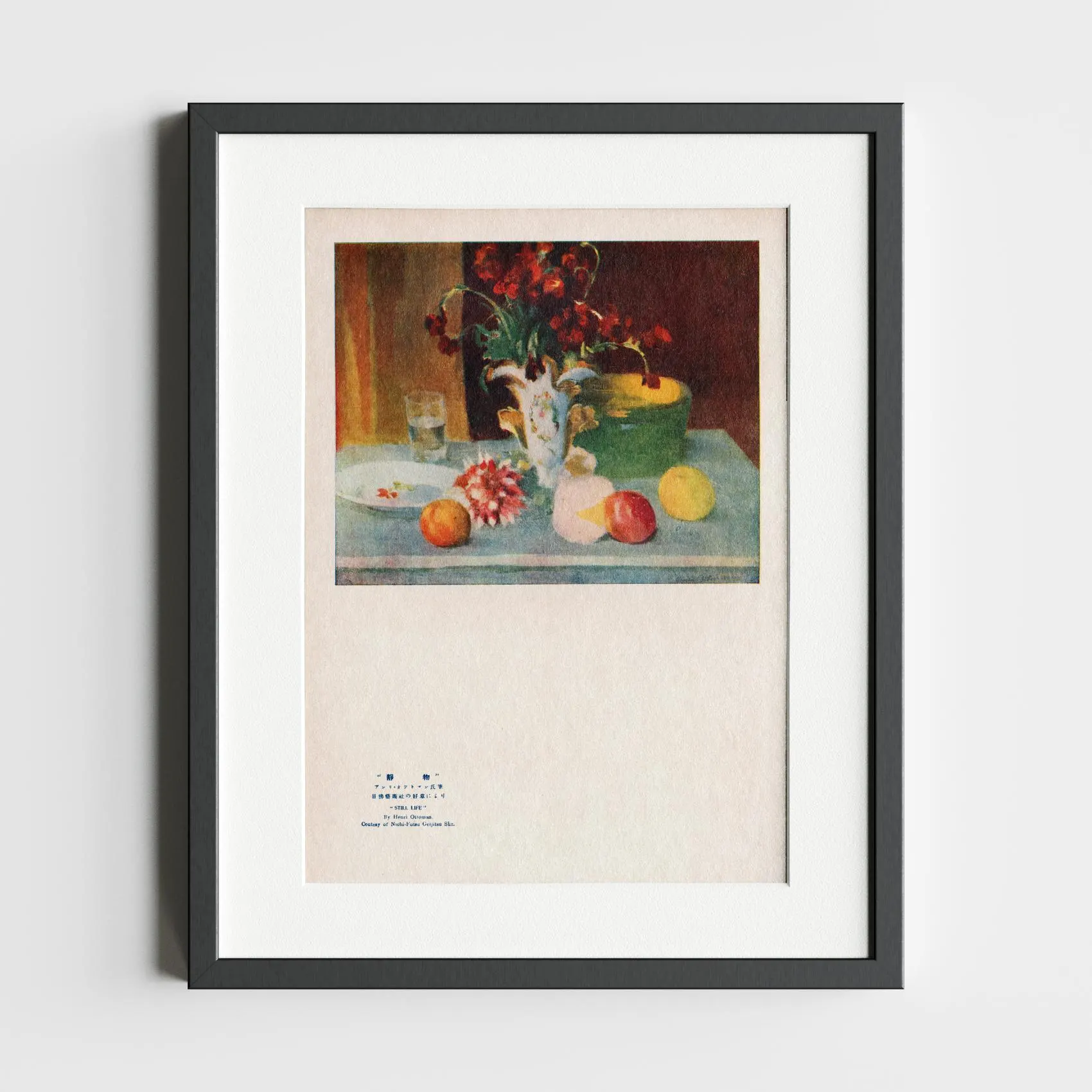
Henri Ottmann was a French Post-Impressionist painter born in Ancenis, Loire-Atlantique. He trained at the Academie Julian in Paris and exhibited alongside Matisse, Bonnard, and Signac at the Salon d'Automne and Salon des Independants. His luminous coastal scenes and still lifes earned his work a permanent place in the Musee d'Orsay. His career was tragically cut short by a fatal automobile accident in Vernon at age 49.
Isoda Koryusai
c. 1735 – c. 1790Japanese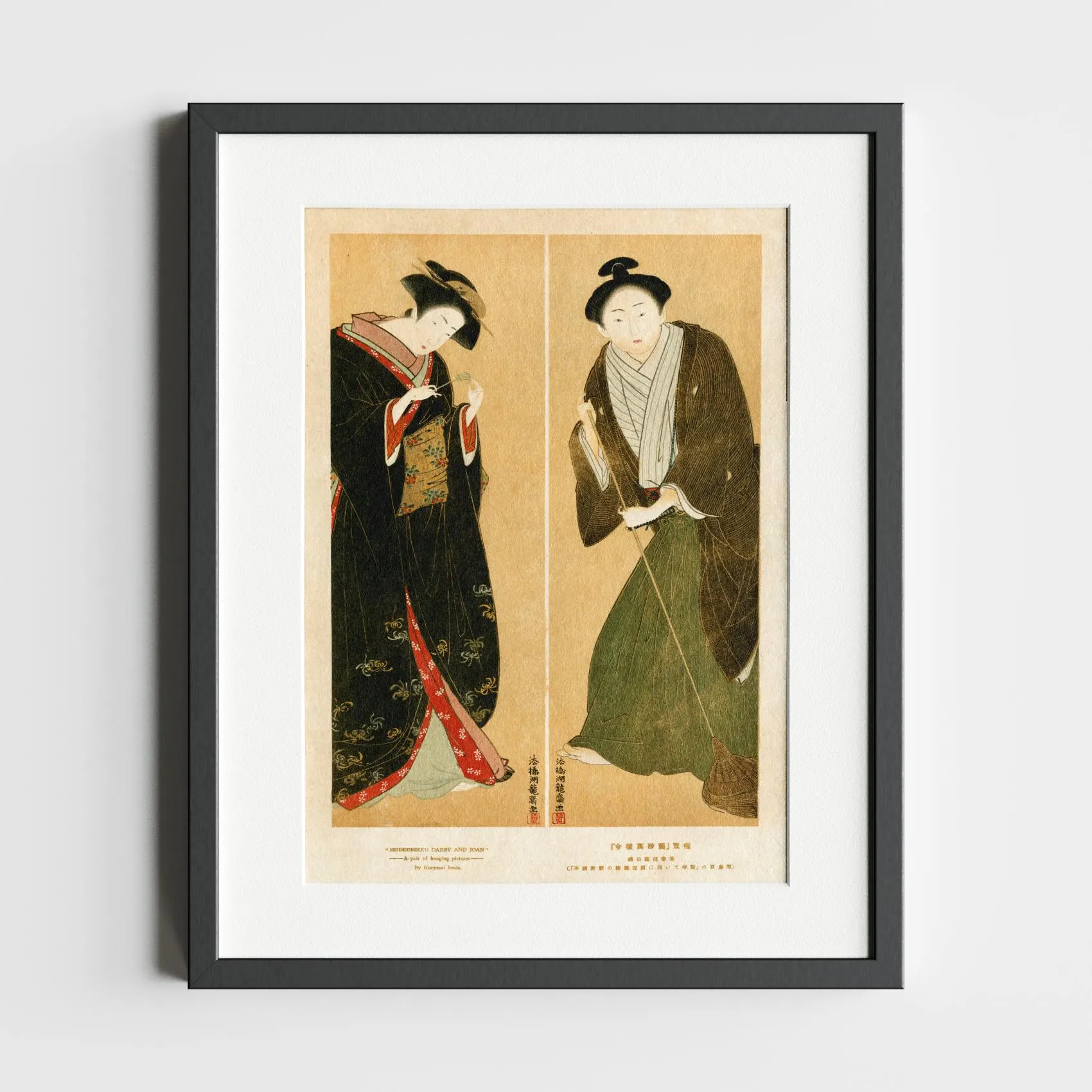
Isoda Koryusai was a former samurai who became one of the most refined ukiyo-e artists of the mid-Edo period. He transitioned from warrior life to art, producing elegant depictions of courtesans and domestic scenes characterised by sophisticated linework and sensitivity to textile patterns. He is particularly celebrated for his pillar prints (hashira-e) and his series of fashionable beauties.
Jean-Auguste-Dominique Ingres
1780 – 1867French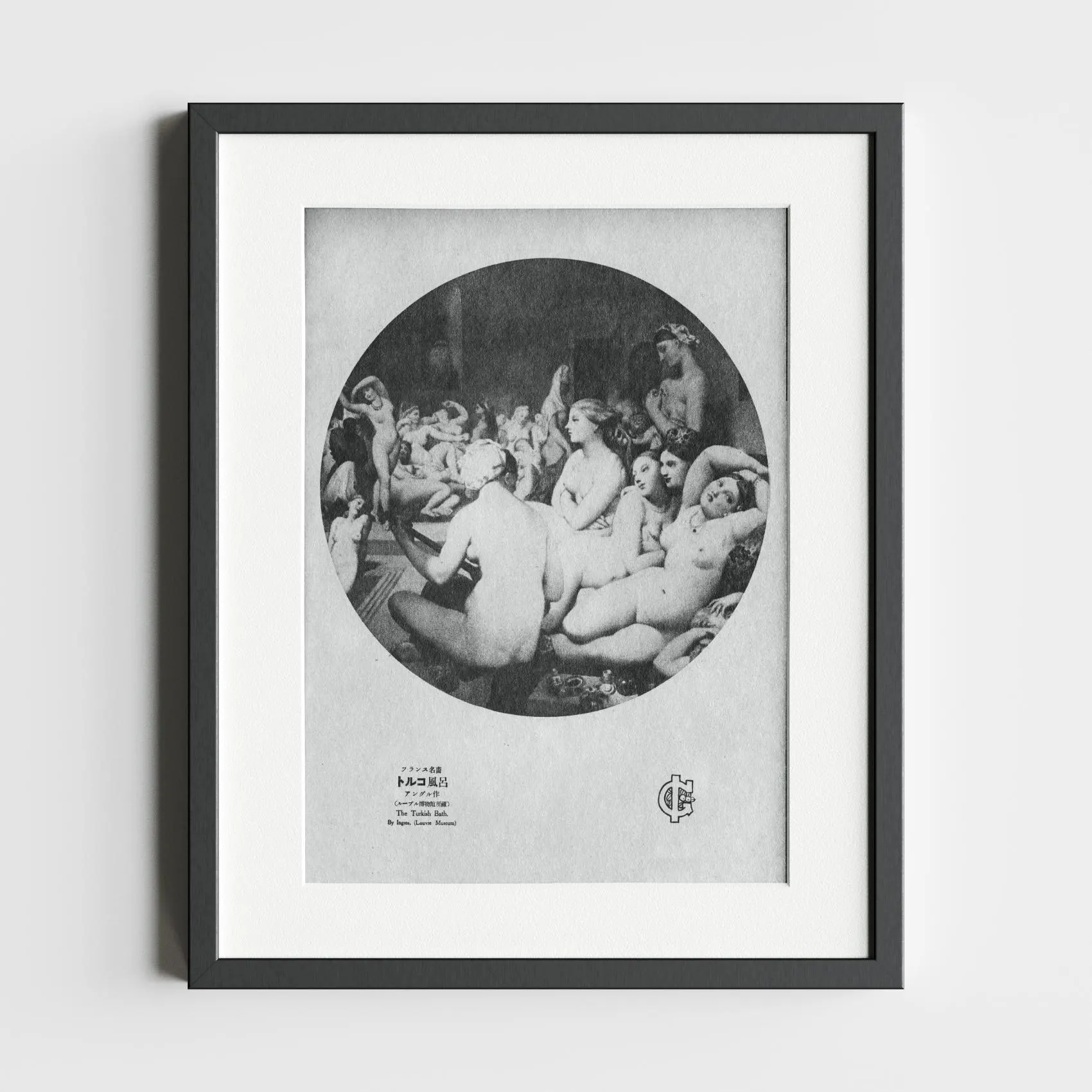
Ingres was the leading proponent of French Neoclassical painting in the nineteenth century, a devoted disciple of Raphael who championed line over colour in opposition to the Romantic movement of Delacroix. He served as director of the French Academy in Rome and completed his final masterpiece, Le Bain Turc, at the age of eighty-two.
John Singer Sargent
1856 – 1925American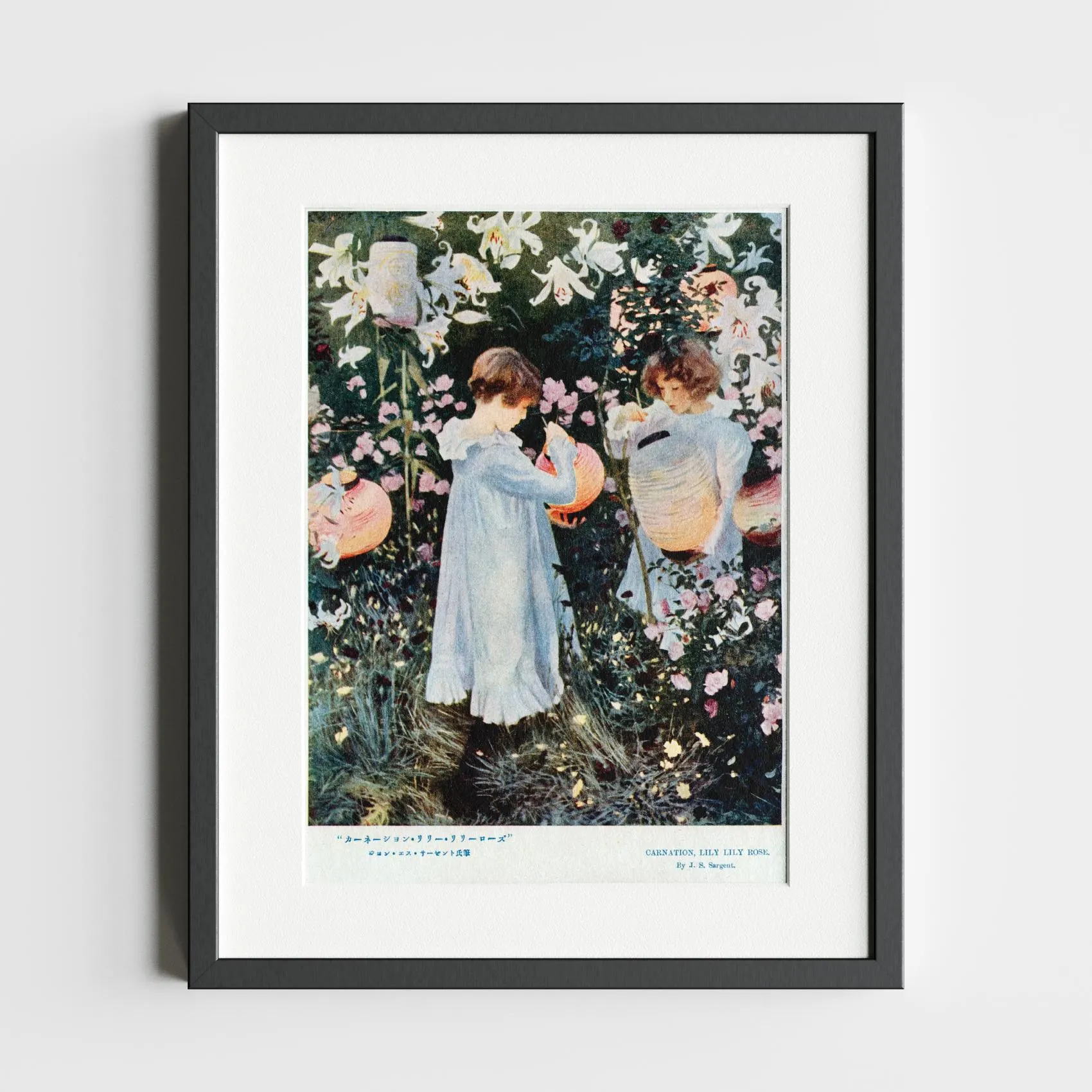
John Singer Sargent was the foremost portrait painter of the Gilded Age, born in Florence to American expatriate parents. After studying under Carolus-Duran in Paris, he achieved fame and scandal with Portrait of Madame X. His later work includes murals for the Boston Public Library and the Museum of Fine Arts, as well as luminous watercolours painted during his travels.
Katsuda Chikuo
Japanese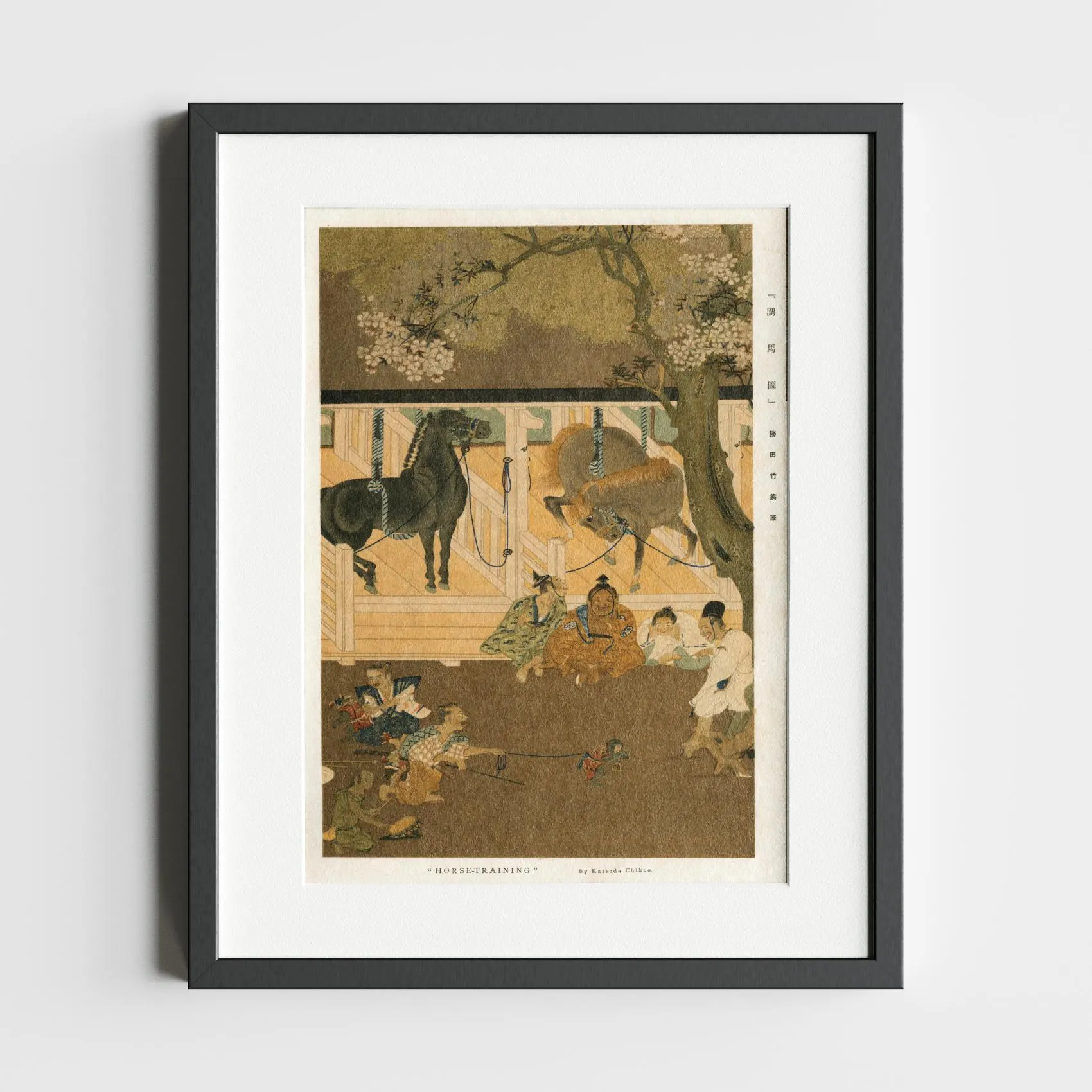
Katsuda Chikuo was a Japanese painter deeply attuned to the dialogue between human will and animal vitality. His equestrian subjects reflect both the samurai heritage of the warrior class and Japan's modernising military ambitions during the early twentieth century.
Katsumi Miyake
Japanese-American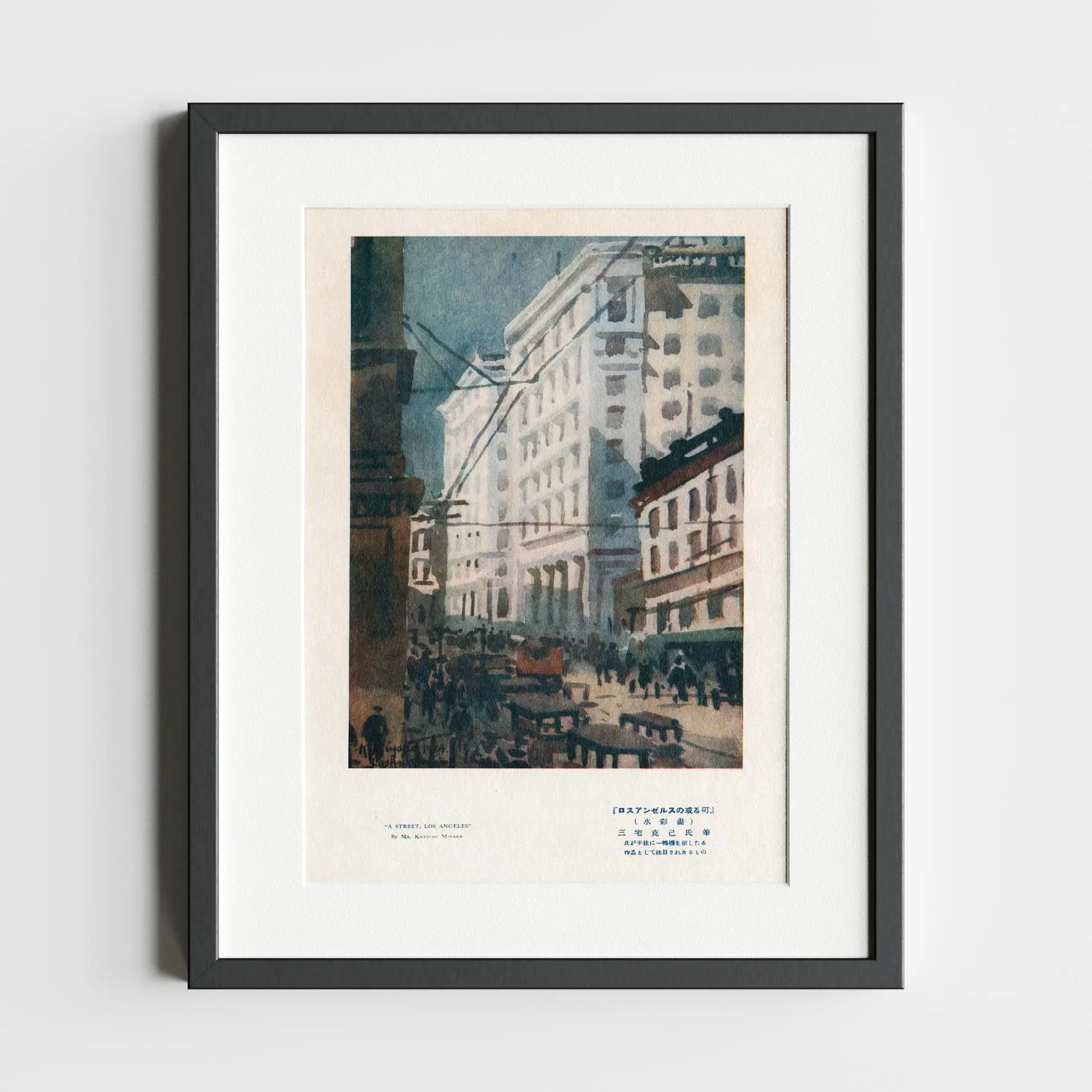
Katsumi Miyake was a Japanese-American photographer active in California during the 1920s. He participated in American camera clubs while maintaining connections to the Japanese art world, working during an era of rising anti-Japanese sentiment that would culminate in the Immigration Act of 1924. His work documented American urban life for Japanese audiences through various art publications.
Kikugawa Eizan
1787 – 1867Japanese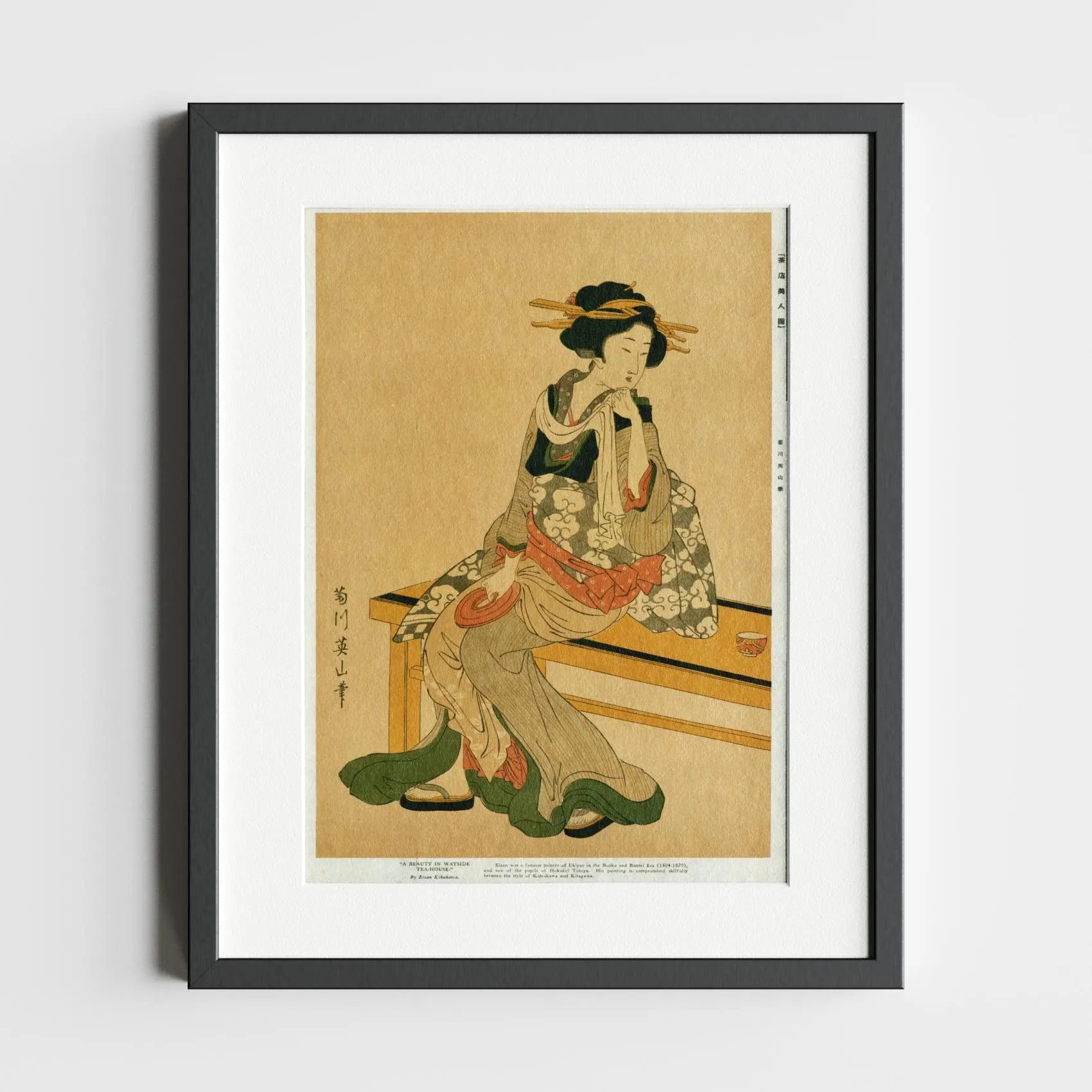
Kikugawa Eizan was among the last great masters of bijin-ga (beautiful women) in the ukiyo-e tradition. A student of his father Kikugawa Eiji, he developed a distinctive elongated figure style that bridged the classical canon with the evolving tastes of the late Edo period. His prints were widely collected in Europe during the Japonisme movement of the 1860s-80s.
Kitagawa Utamaro
c. 1753 – 1806Japanese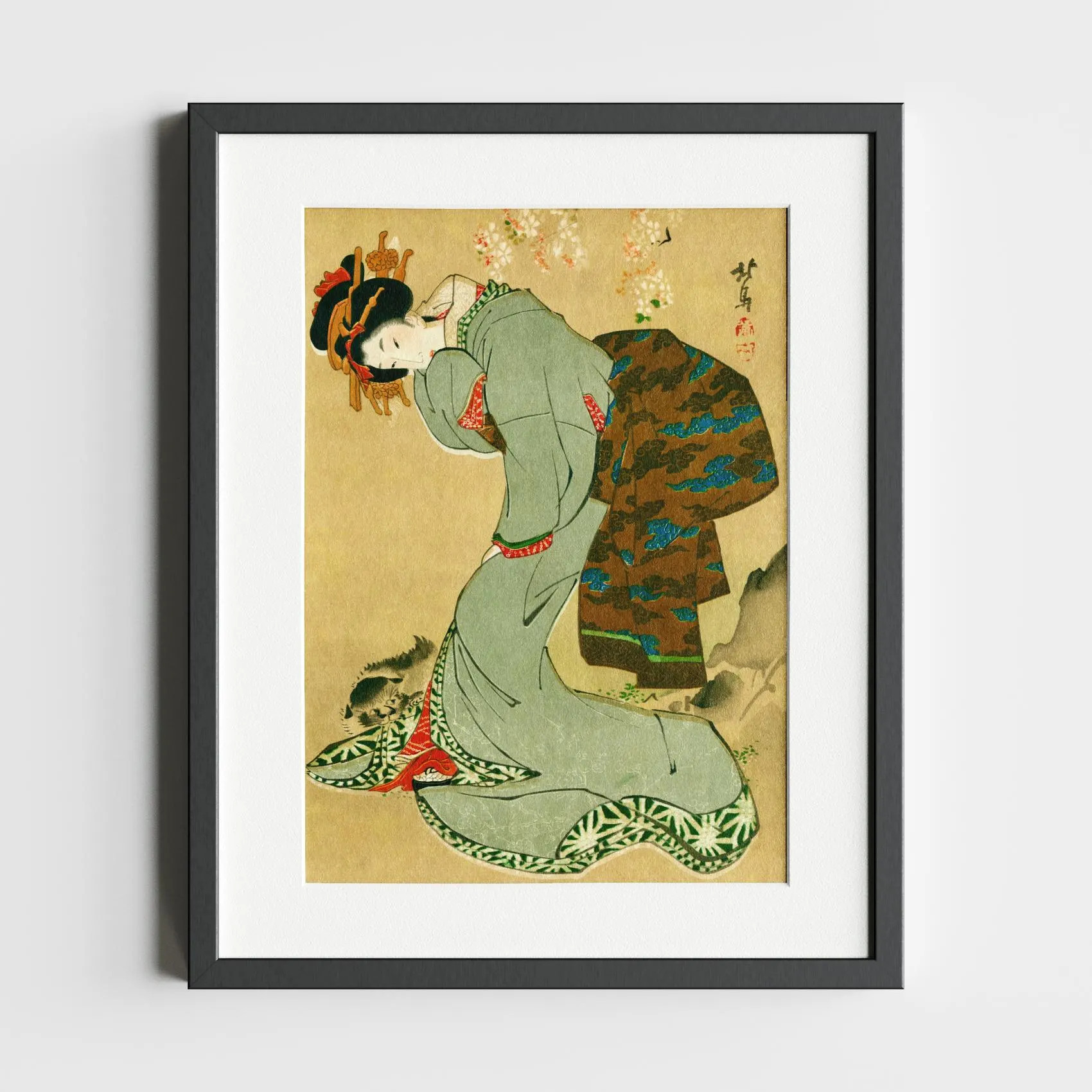
Kitagawa Utamaro is the supreme master of bijin-ga (beautiful women) in the ukiyo-e woodblock tradition. Working under publisher Tsutaya Juzaburo, he revolutionised portraiture by pioneering bust-length compositions that explored psychology and emotion. His influence on European art was profound, inspiring Toulouse-Lautrec, Degas, and Mary Cassatt.
L. F. Randolph
American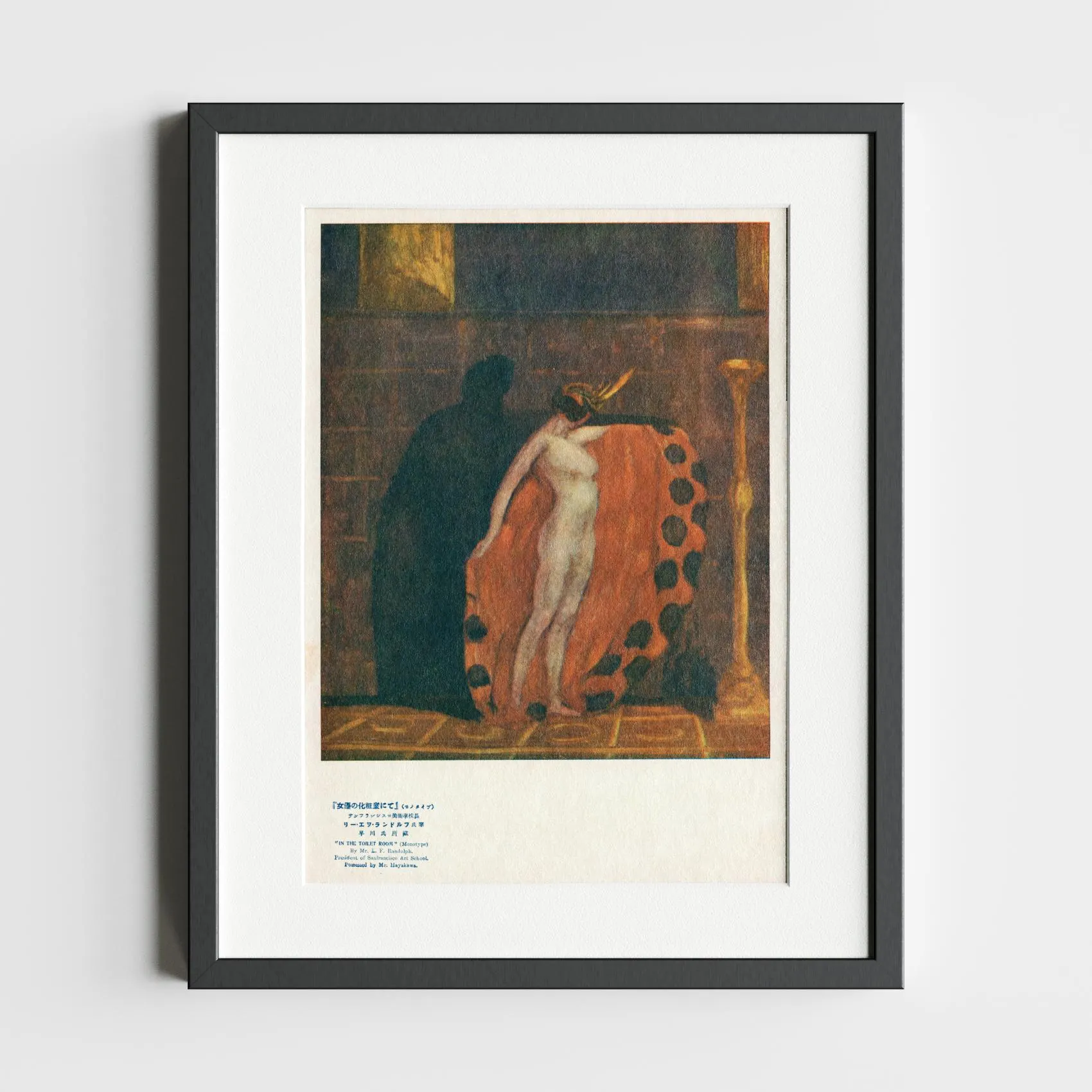
L. F. Randolph was an American salon photographer active in the early twentieth century, working within the pictorialist movement that sought to elevate photography to the status of fine art through careful manipulation of light, focus, and printing technique.
Leatrice Joy
1893 – 1985American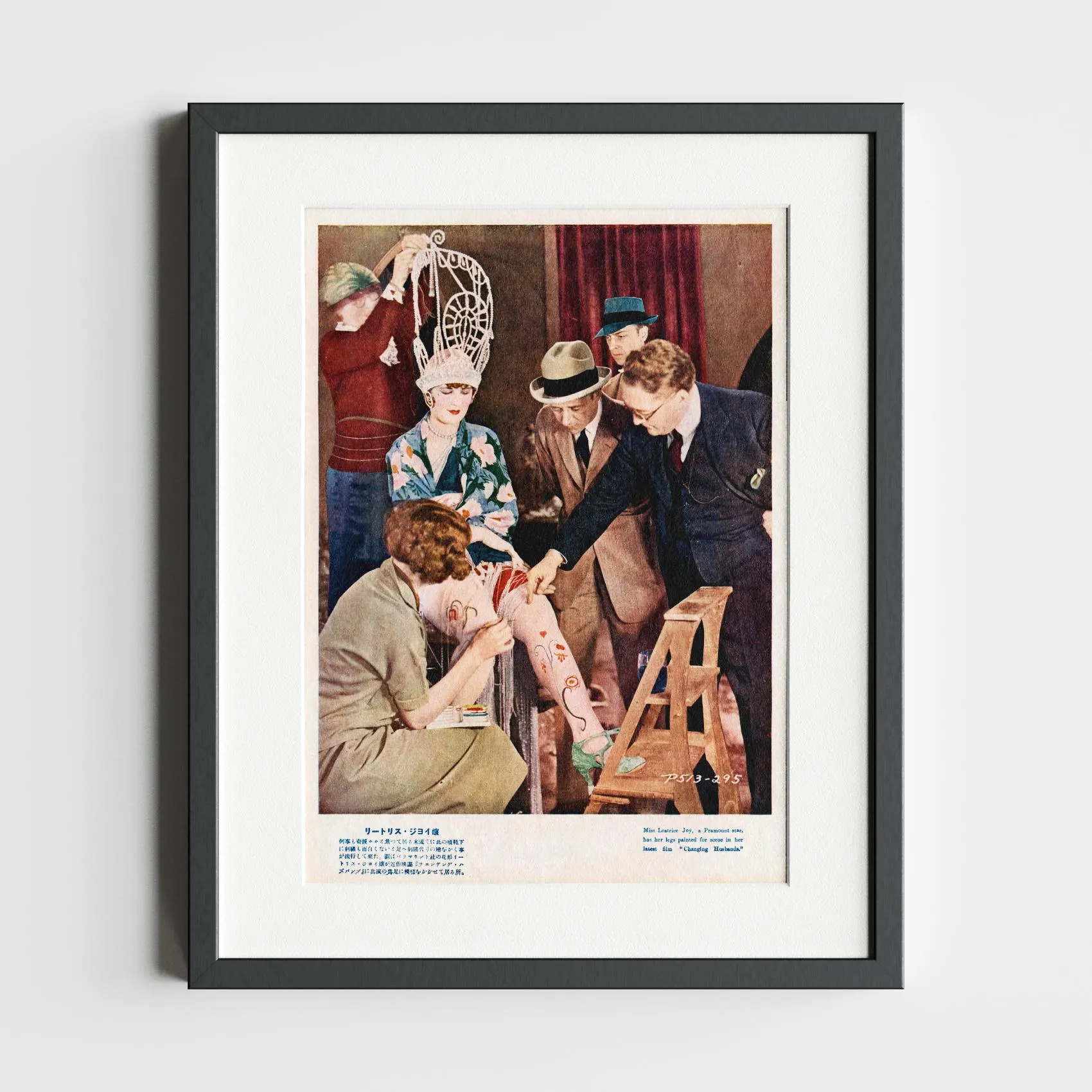
Leatrice Joy was a prominent American actress of the silent film era, best known as a favourite leading lady of director Cecil B. DeMille. She popularised the bobbed haircut for women in Hollywood and appeared in sophisticated comedies that pushed boundaries of fashion and social convention throughout the 1920s.
Leo Putz
1869 – 1940German-Austrian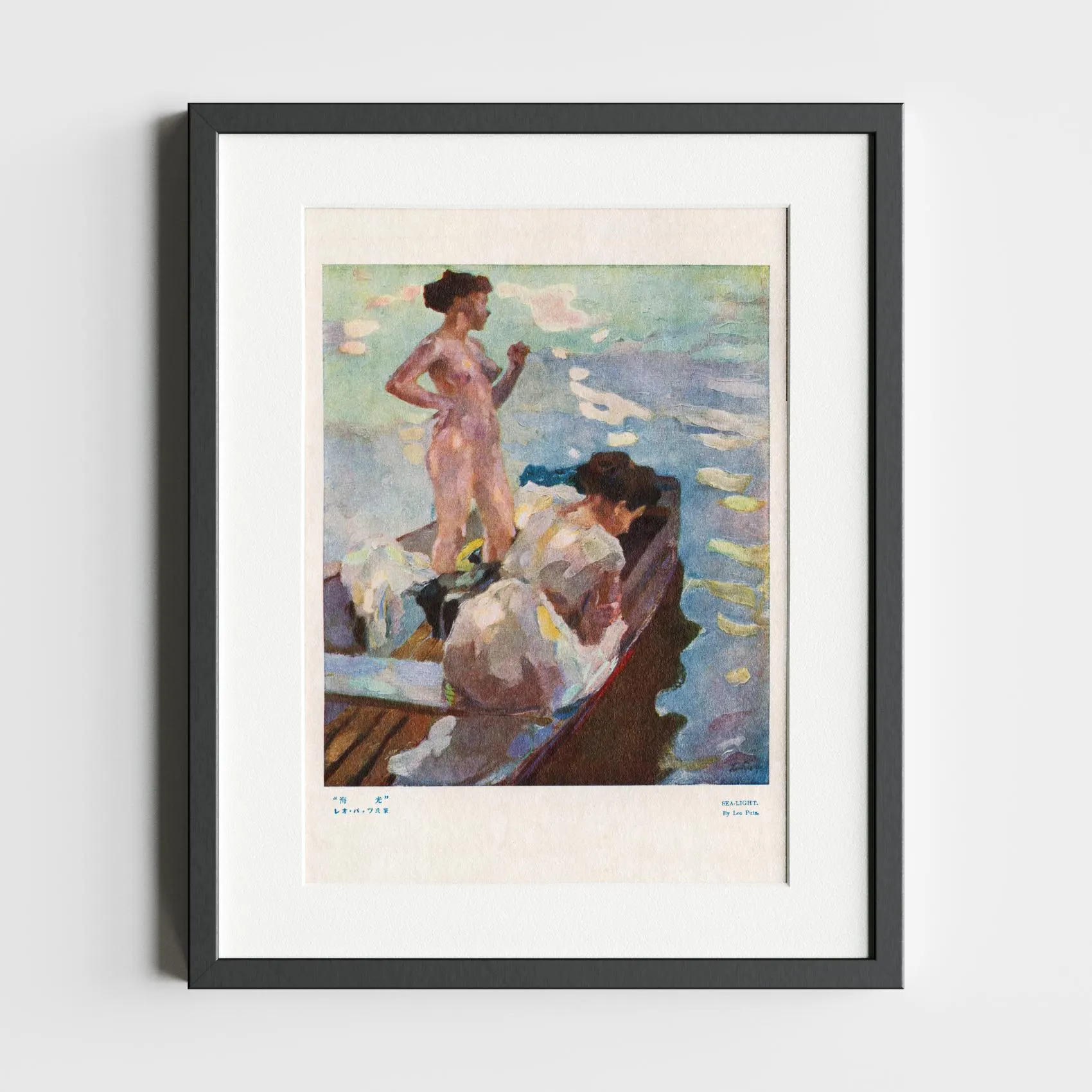
Leo Putz was a Tyrolean-born painter who became a central figure in the Munich art scene. A founding member of the artists' group 'Die Scholle,' he exhibited across Europe and spent significant periods painting in Brazil. His work synthesised French Impressionist light with the decorative sensibility of Jugendstil, creating paintings of remarkable chromatic intensity.
Louis-Ernest Barrias
1841 – 1905French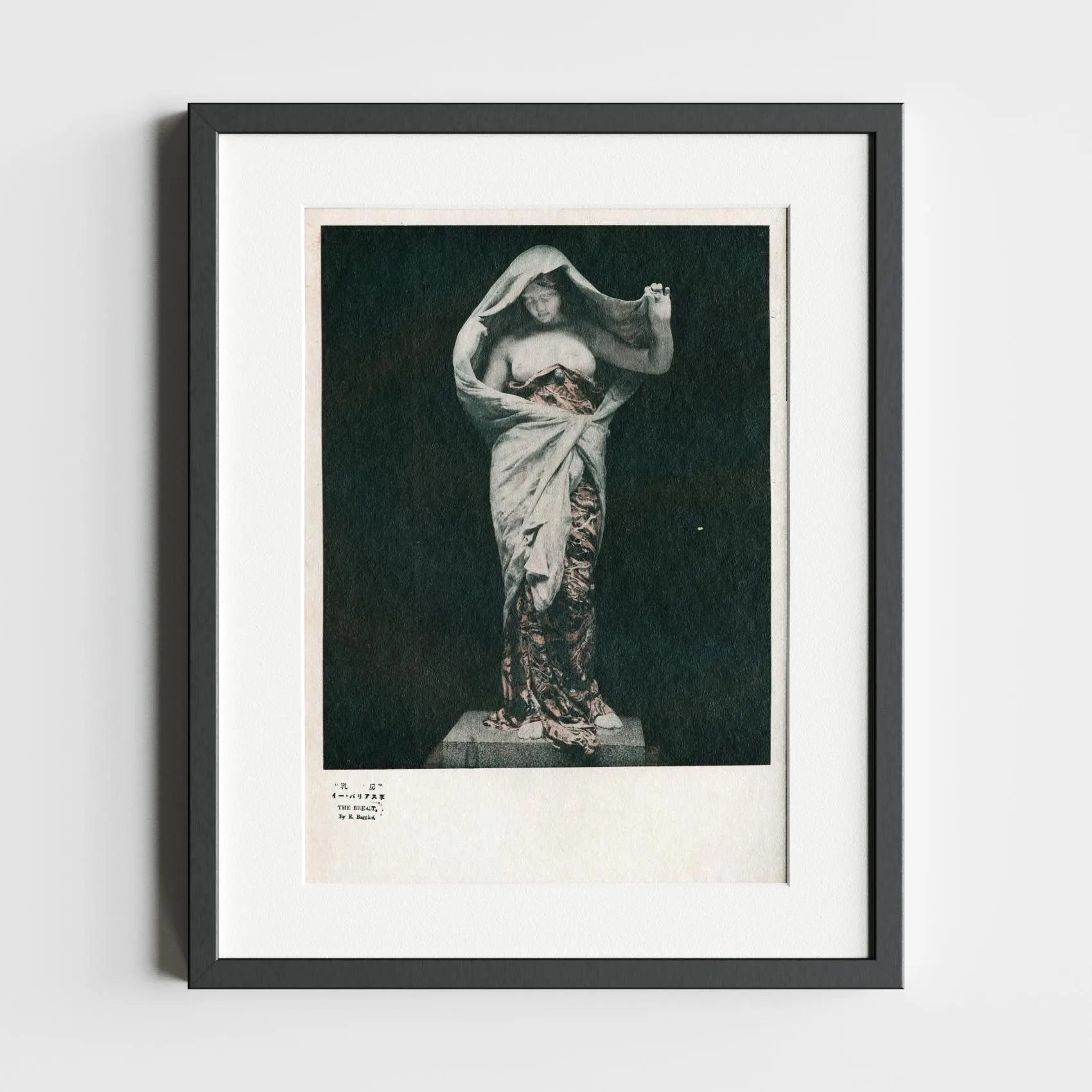
Louis-Ernest Barrias (1841–1905) was a French sculptor of the academic school, winner of the Prix de Rome. His marble-and-onyx allegory "Nature Unveiling Herself Before Science" (1899), now in the Musée d’Orsay, became one of the most reproduced sculptures of the Belle Époque — photographed for journals worldwide, including the Japanese journal this print was taken from.
Madame Yevonde
1893 – 1975British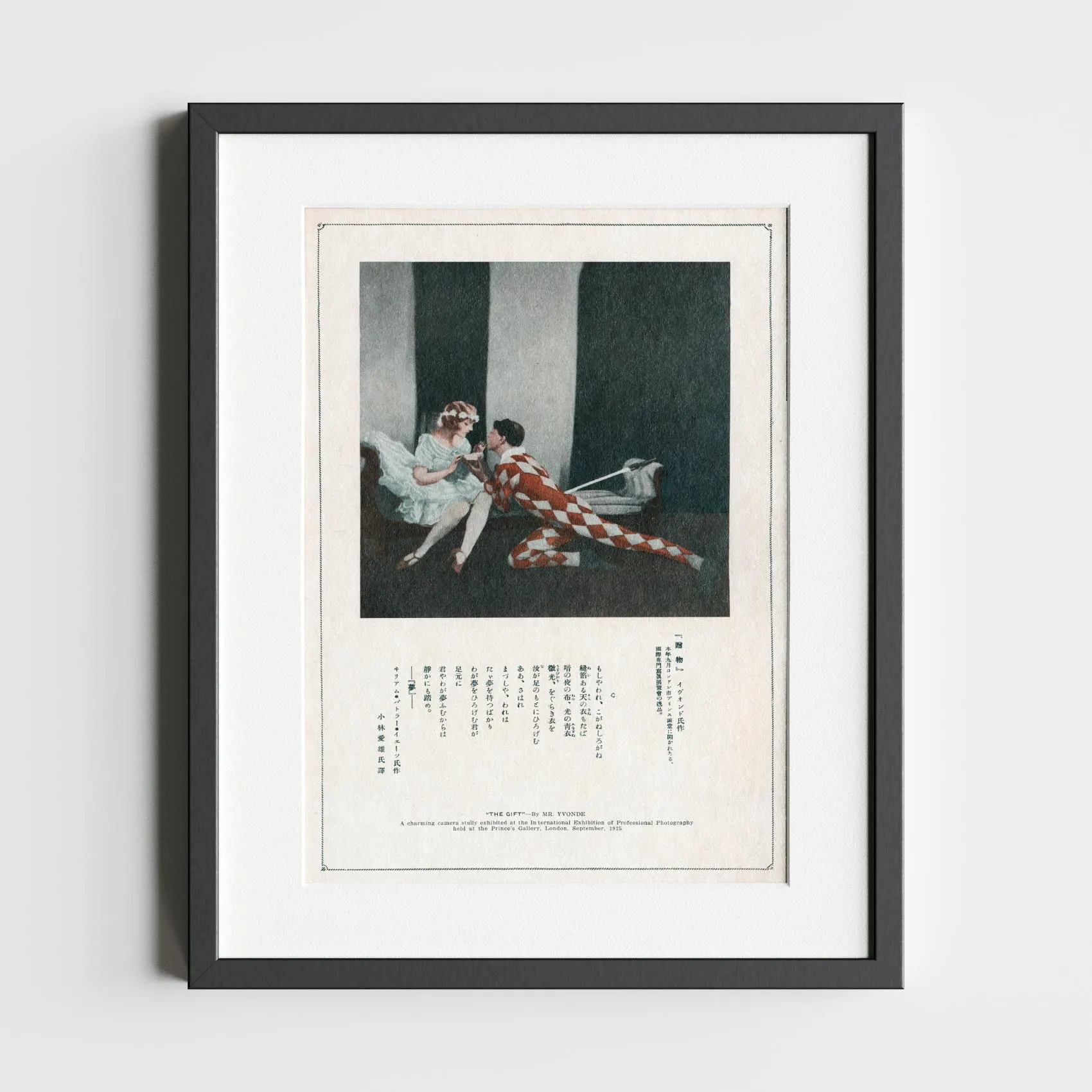
Madame Yevonde (Yevonde Cumbers Middleton) was a pioneering British portrait photographer who championed the Vivex colour process in the 1930s. She trained under suffragist photographer Lallie Charles before establishing her own London studio in 1914. Her celebrated series of society women posed as mythological figures remains a landmark of early colour photography.
Mae Murray
1885 – 1965American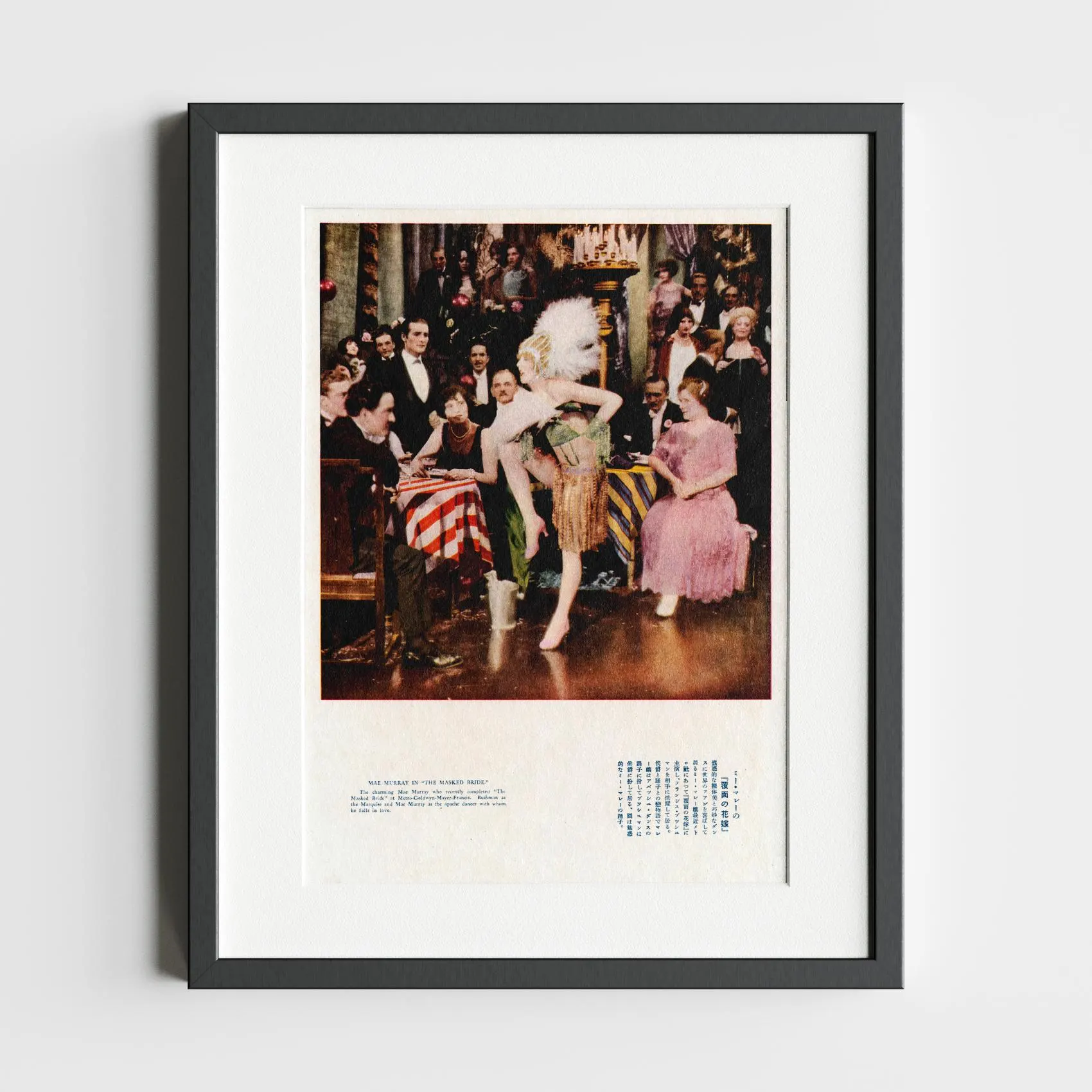
Mae Murray was one of the most glamorous stars of the silent film era, known as 'The Girl with the Bee-Stung Lips.' She began her career as a dancer in the Ziegfeld Follies before becoming one of Hollywood's top-billed actresses in the 1920s. Her most famous role was in Erich von Stroheim's 'The Merry Widow' (1925).
Michel Fokine
1880 – 1942Russian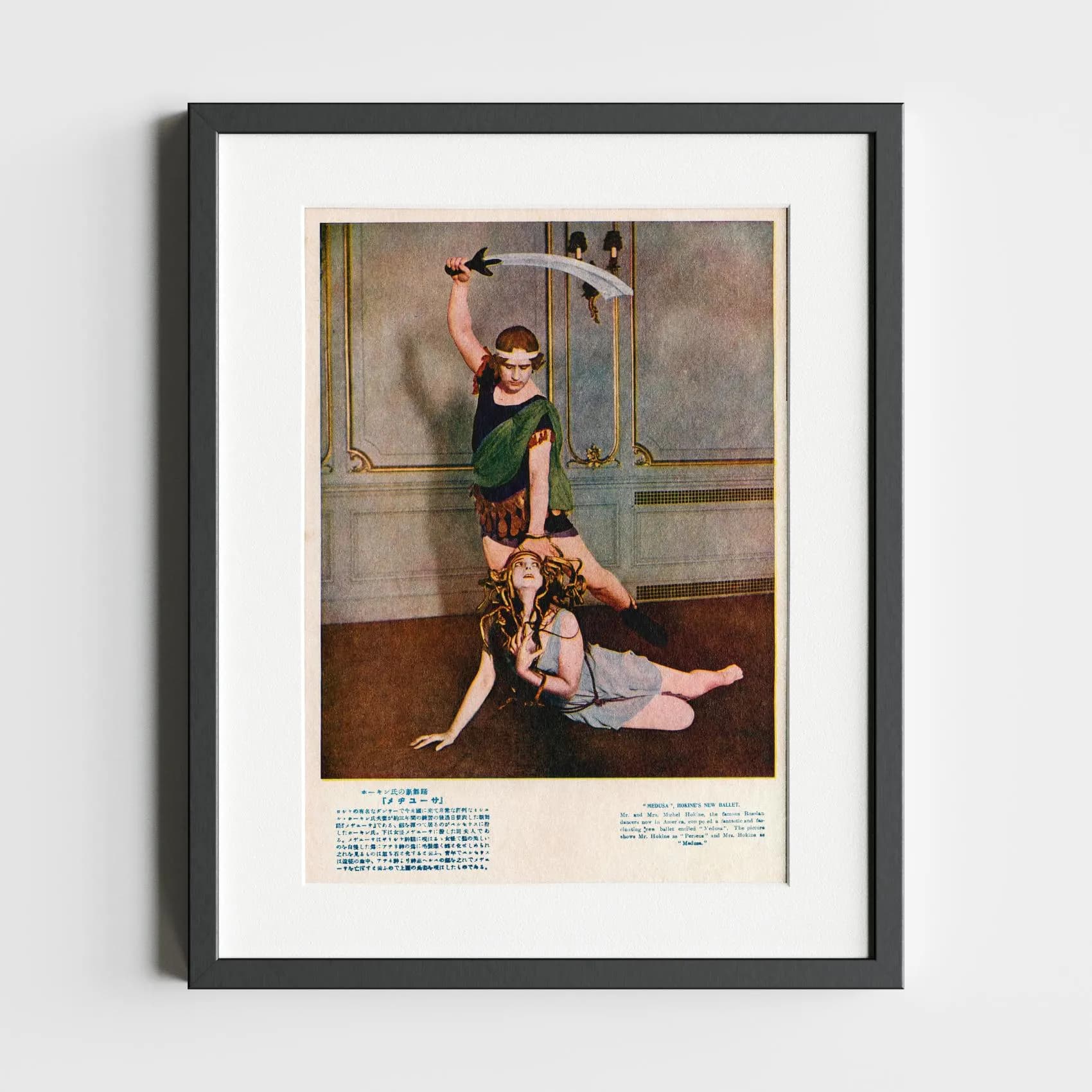
Michel Fokine was a revolutionary Russian choreographer who transformed classical ballet from spectacle into expressive art. As chief choreographer of Diaghilev's Ballets Russes, he created works that broke with the rigid conventions of Imperial Russian ballet and introduced dramatic unity, natural movement, and collaboration with avant-garde composers and designers.
Rikizo Takada
Japanese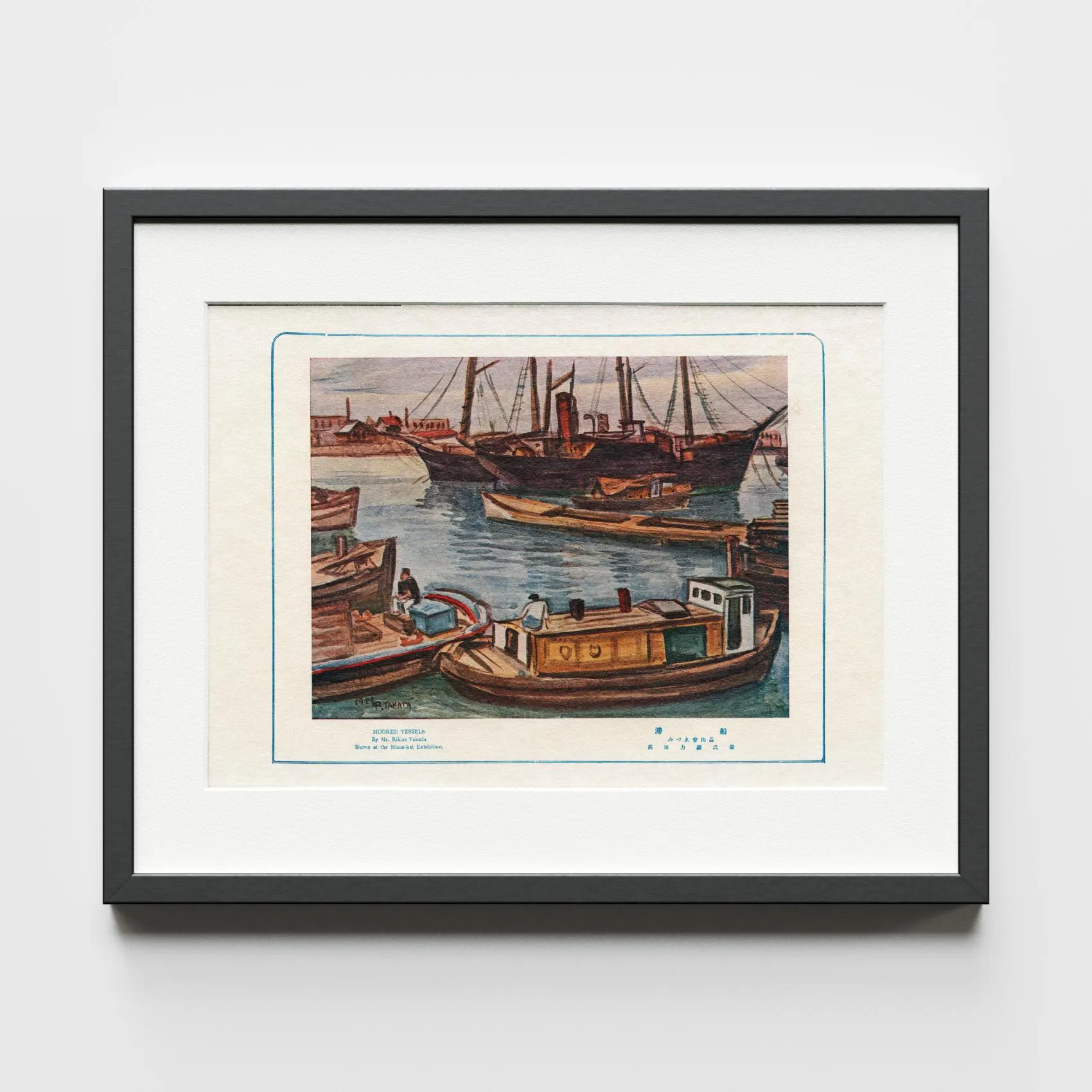
Rikizo Takada was a Japanese watercolour painter active during the 1920s whose practice drew upon both European impressionist methods and the contemplative traditions of Japanese landscape painting. He exhibited at the prestigious Mizue-kai watercolour exhibitions.
Russell Greeley
American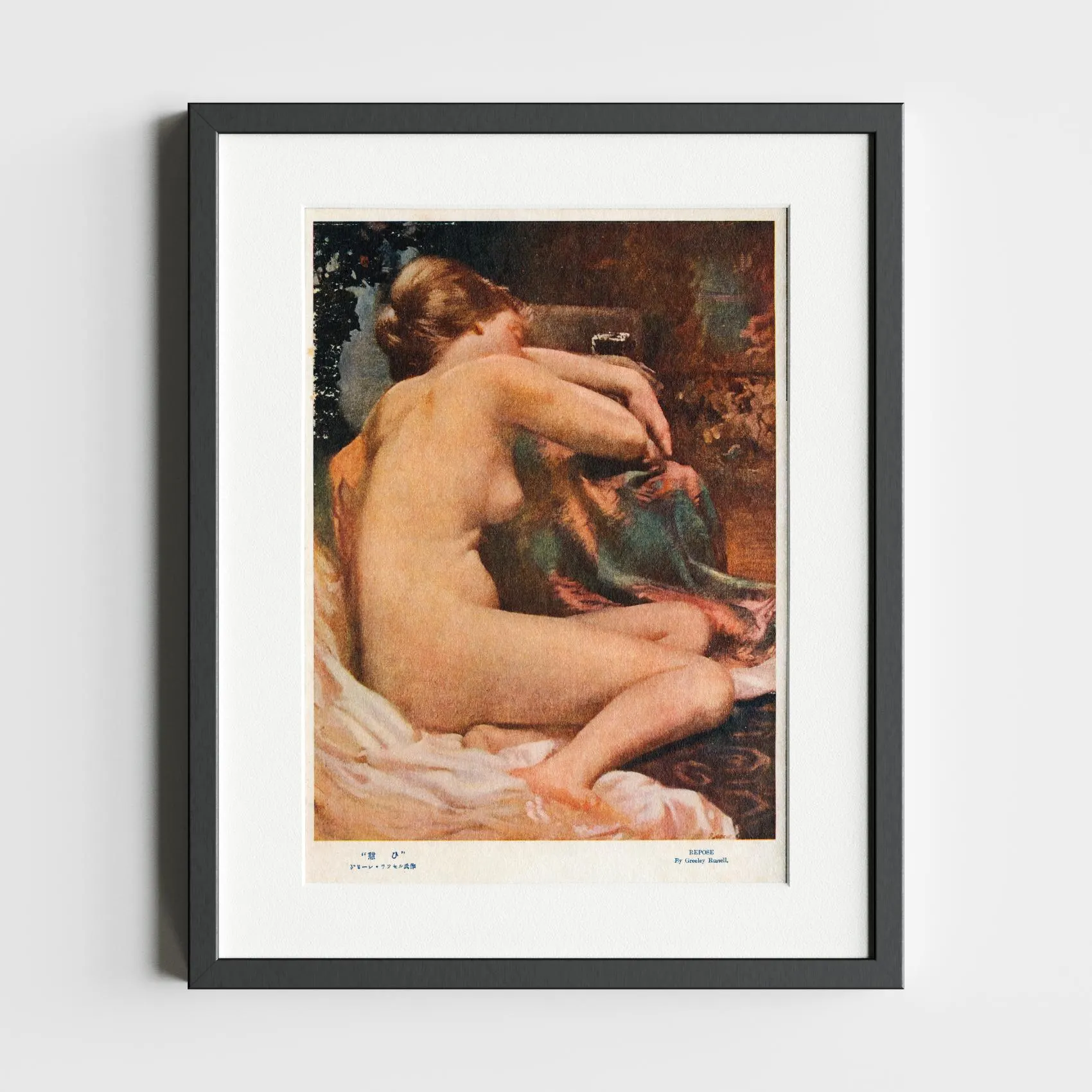
Russell Greeley was an American painter active in the early twentieth century, working within the figurative tradition that flourished in Boston and New York ateliers. His work reflects the editorial commitment of Japanese art journals to showcasing Western academic painting alongside contemporary movements.
Ryoji Nakai
Japanese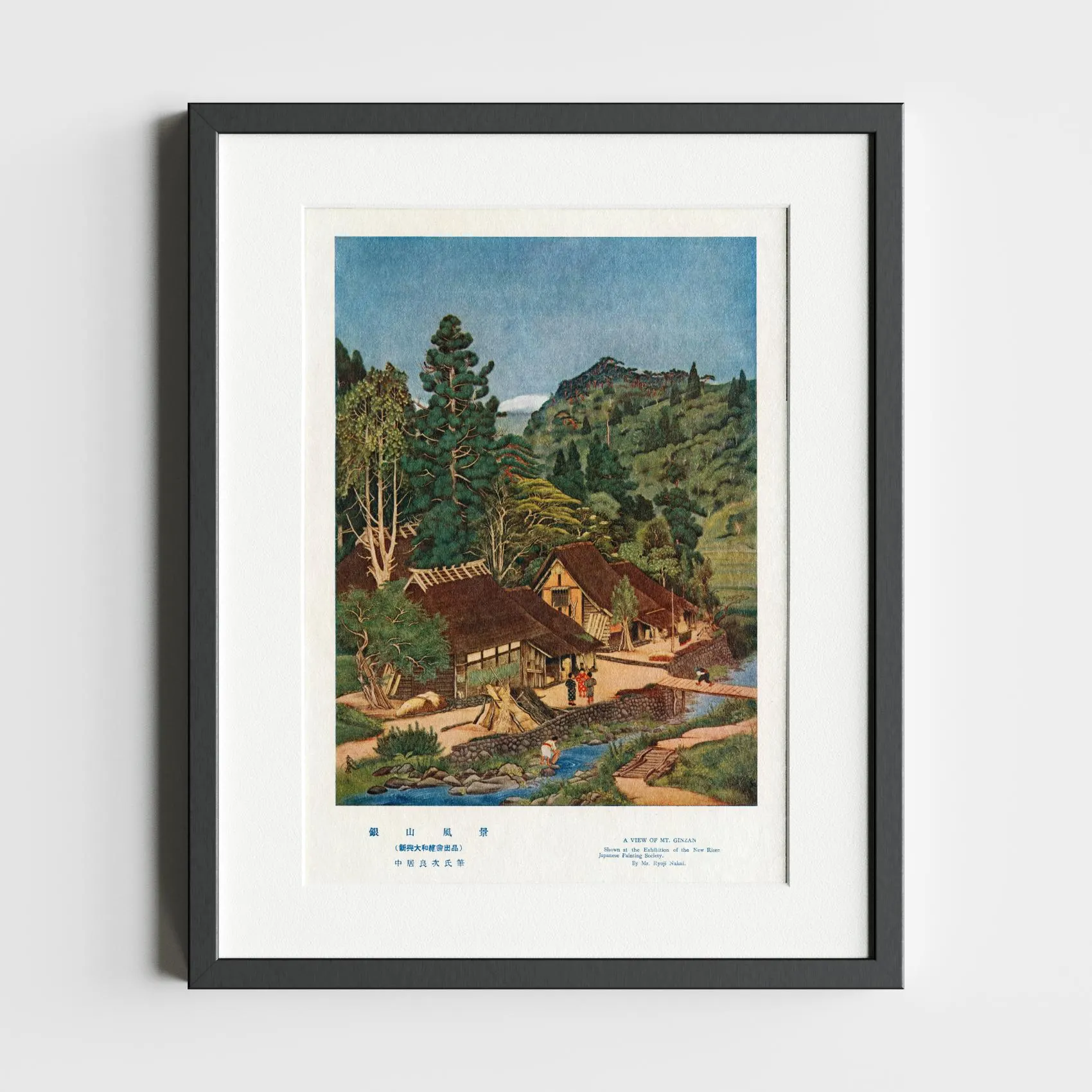
Ryoji Nakai was a Japanese landscape painter active during the Taisho and early Showa periods. Working at the intersection of Eastern landscape convention and Western naturalism, he documented Japan's sacred mountain geography during a period of rapid industrialisation.
Saburosuke Okada
1869 – 1939Japanese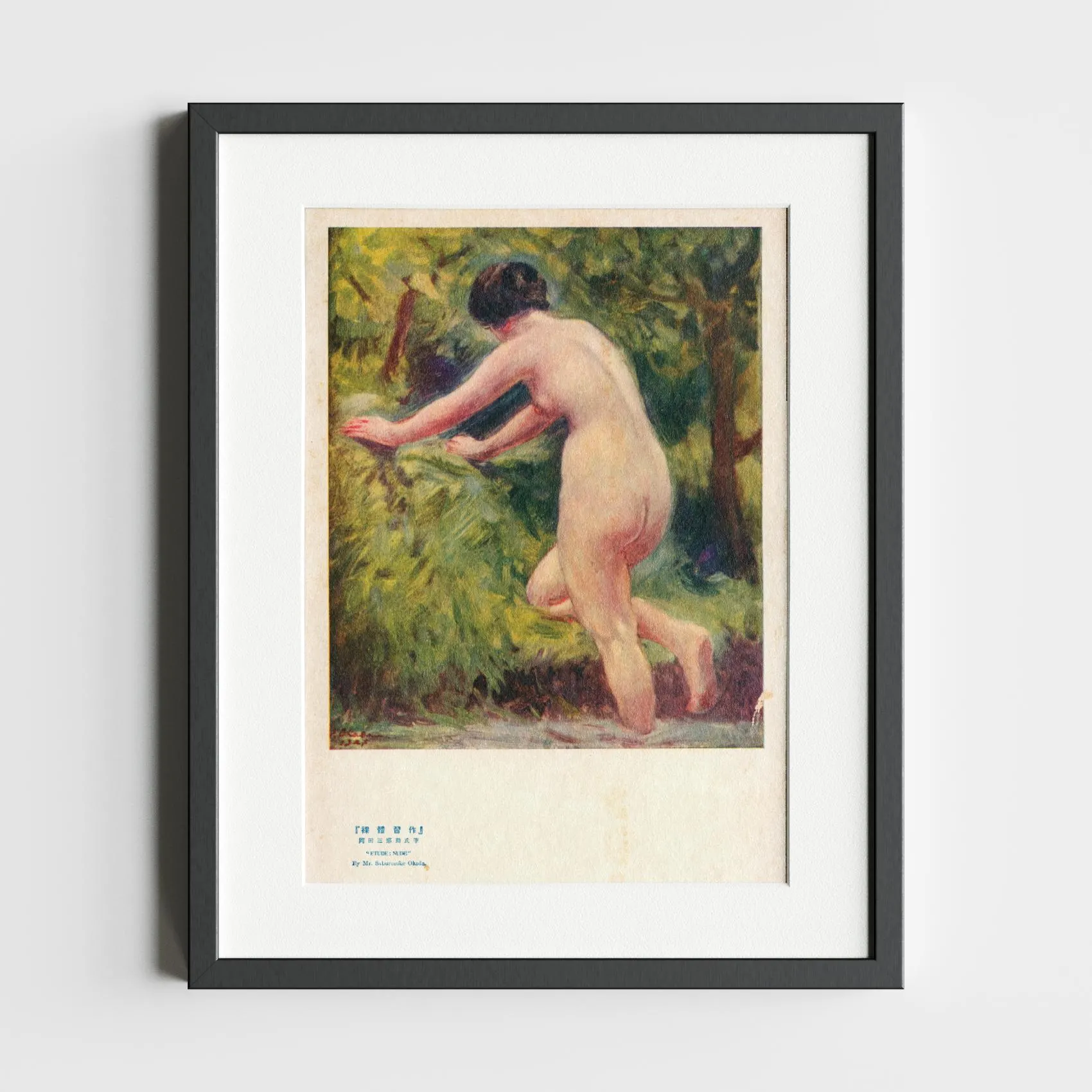
Okada Saburosuke was a pioneering Japanese yoga (Western-style) painter who studied under Raphael Collin in Paris. He co-founded the Hakuba-kai (White Horse Society) and became a professor at the Tokyo School of Fine Arts. Awarded the Order of Culture in 1937, he was instrumental in legitimising the nude as a subject within Japanese art.
Seisho Hamaji
Japanese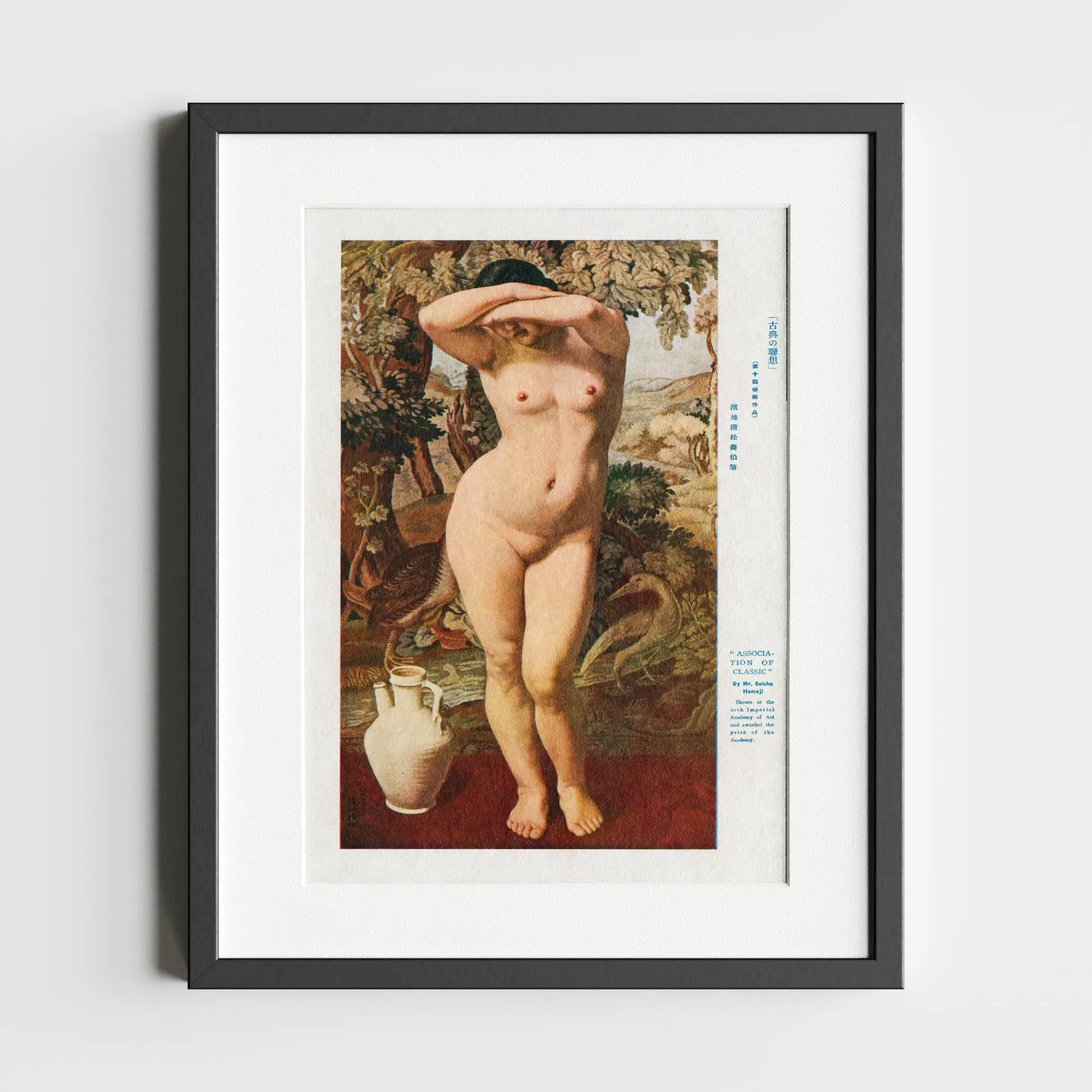
Seisho Hamaji was a Japanese painter working during the Taisho and early Showa periods, navigating between inherited classical traditions and the transformative influence of Western modernism. His work draws upon the canon of East Asian aesthetic philosophy.
Shuncho Kichisado
Japanese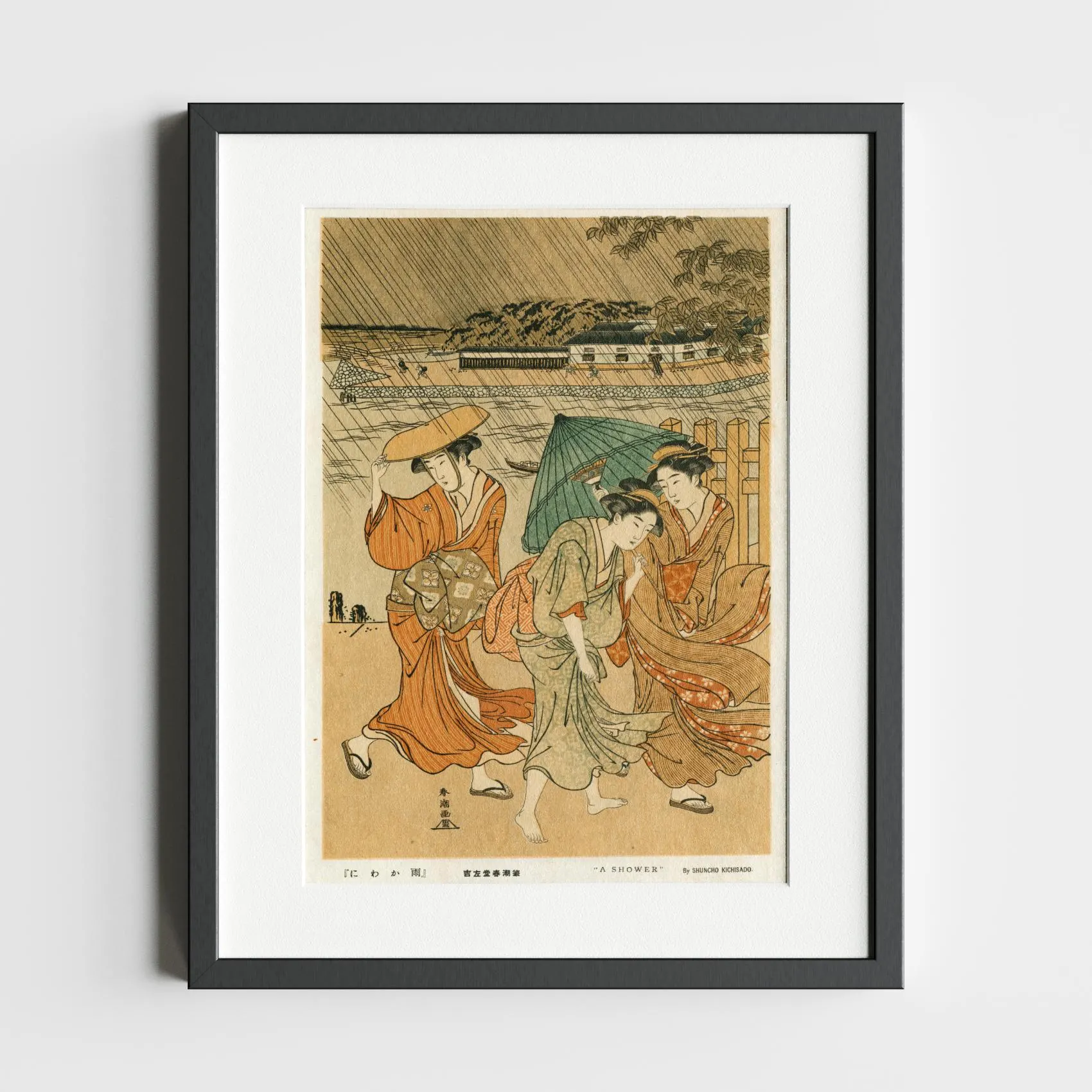
Shuncho Kichisado was a Japanese artist working within the ukiyo-e tradition, known for atmospheric depictions of rain and natural phenomena. His work exemplifies the Edo-period aesthetic that transformed fleeting weather into enduring visual poetry through the precise vocabulary of woodblock printing.
Sotaro Yasui
1888 – 1955Japanese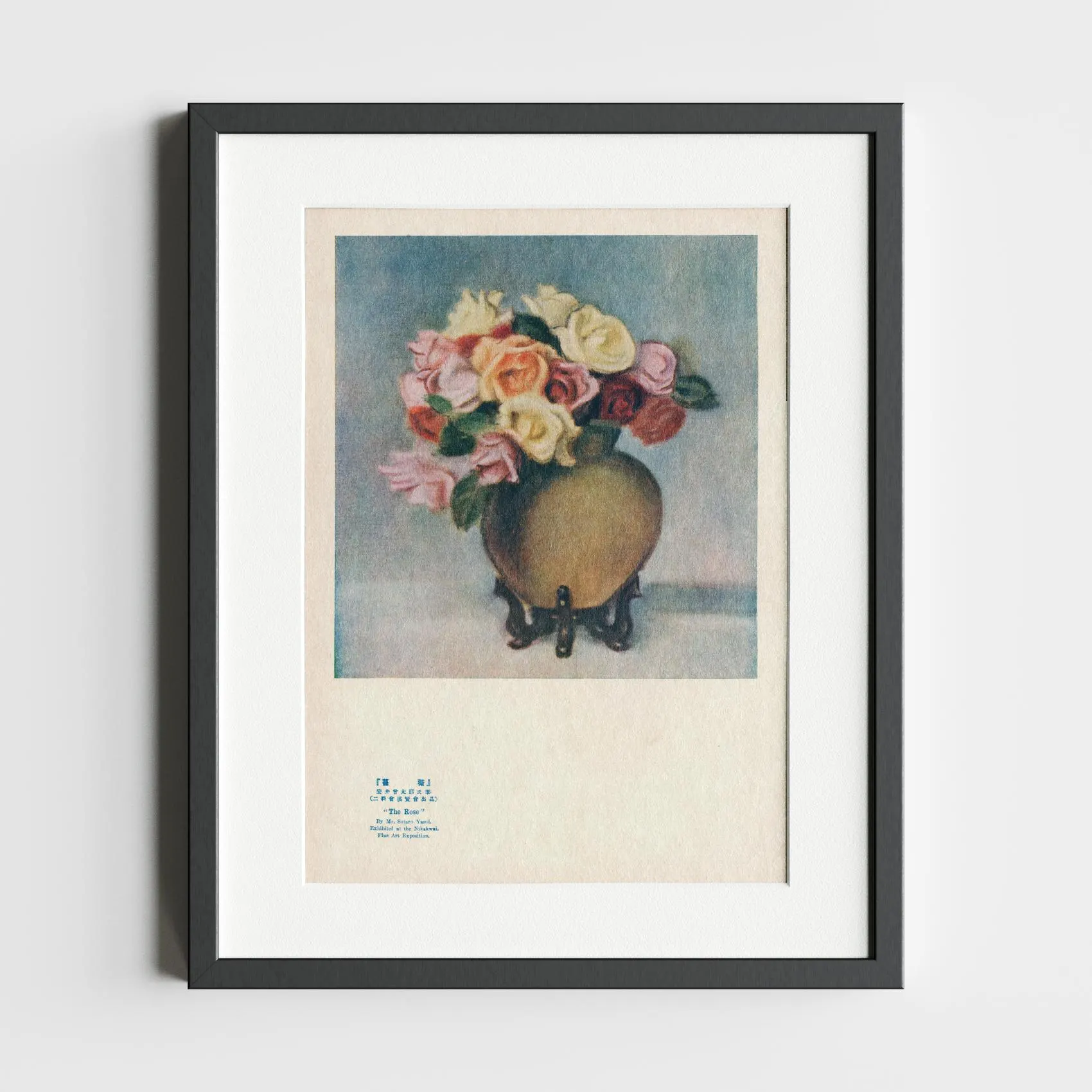
Yasui Sotaro was one of modern Japan's most important painters, known for fusing French Post-Impressionism with Japanese compositional sensibility. He studied at the Academie Julian in Paris under Jean-Paul Laurens from 1907 to 1914, absorbing the lessons of Cezanne and Renoir. He received the Order of Culture in 1952 and was a professor at Tokyo University of the Arts.
Sumiko Kurishima
1902 – 1987Japanese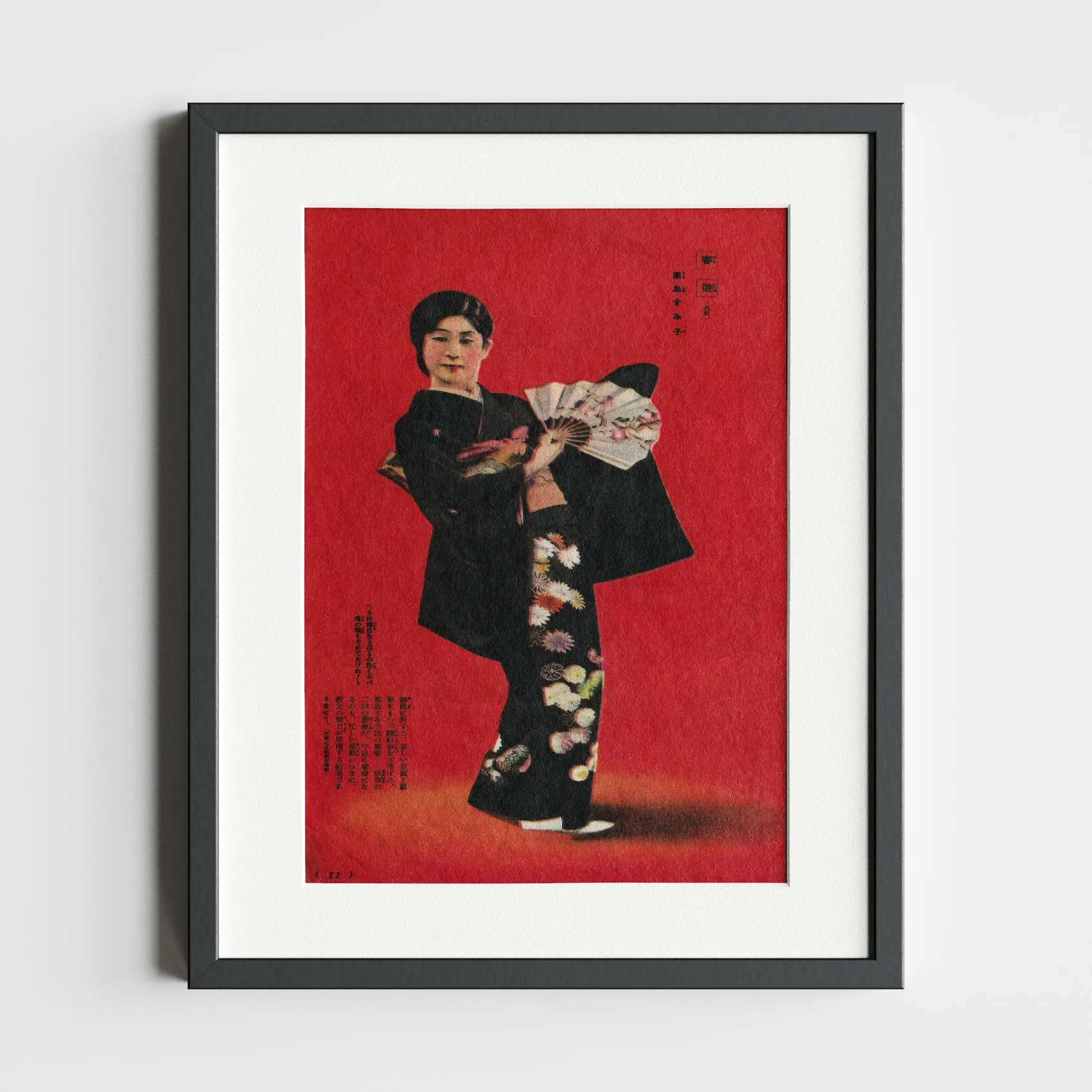
Sumiko Kurishima was one of Japan's first true female film stars, rising to prominence in the early 1920s at Shochiku studios. Her naturalistic beauty and refined deportment made her the embodiment of modern Japanese femininity. Beyond film, she maintained a devoted practice of nihon buyo (classical dance), viewing it as essential to her craft.
Suzanne Henry
French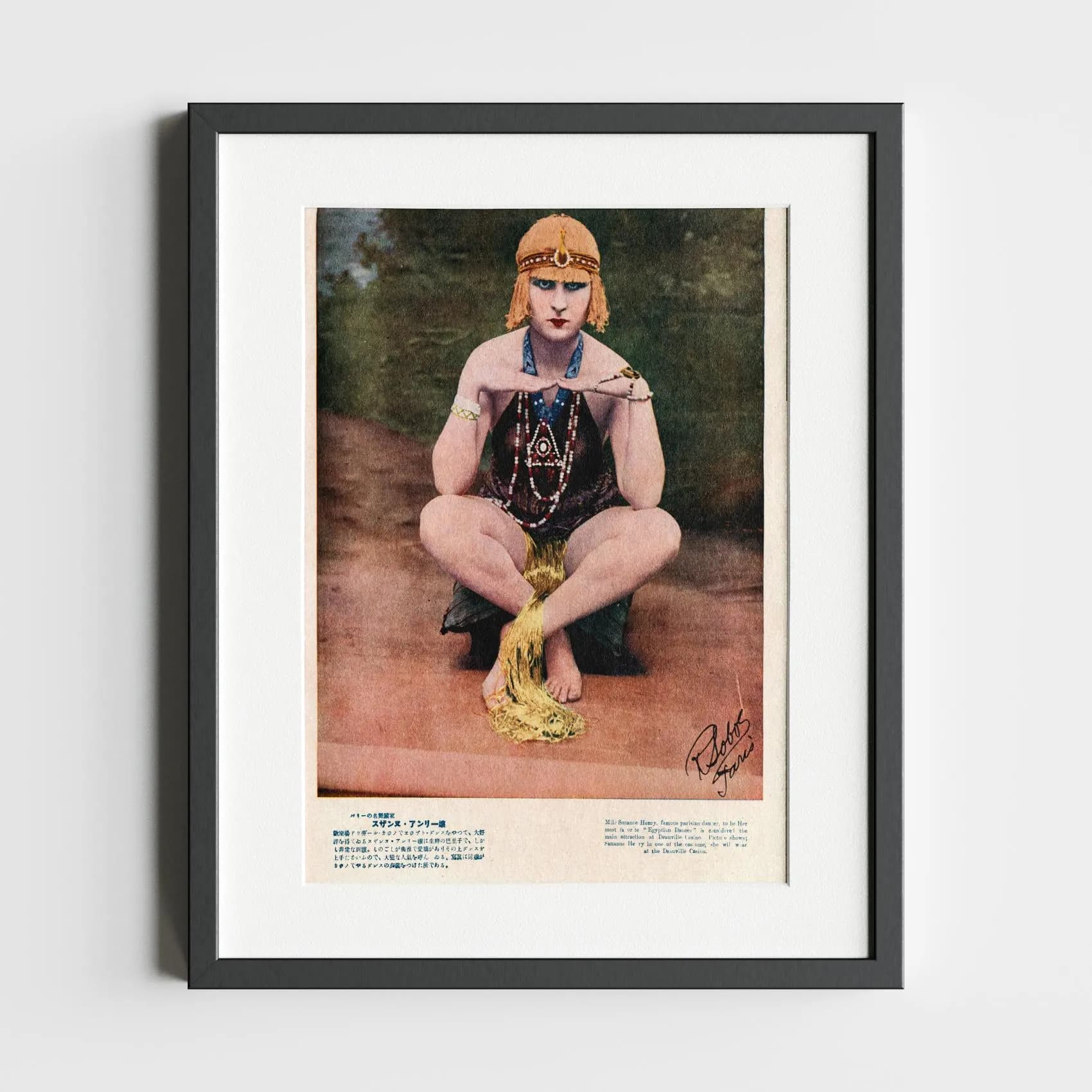
Suzanne Henry was a French dancer active during the 1920s, performing in Paris during the golden age of expressive and modern dance. She was featured in international arts publications, representing the flourishing dance culture of interwar France.
Suzuki Harunobu
1725 – 1770Japanese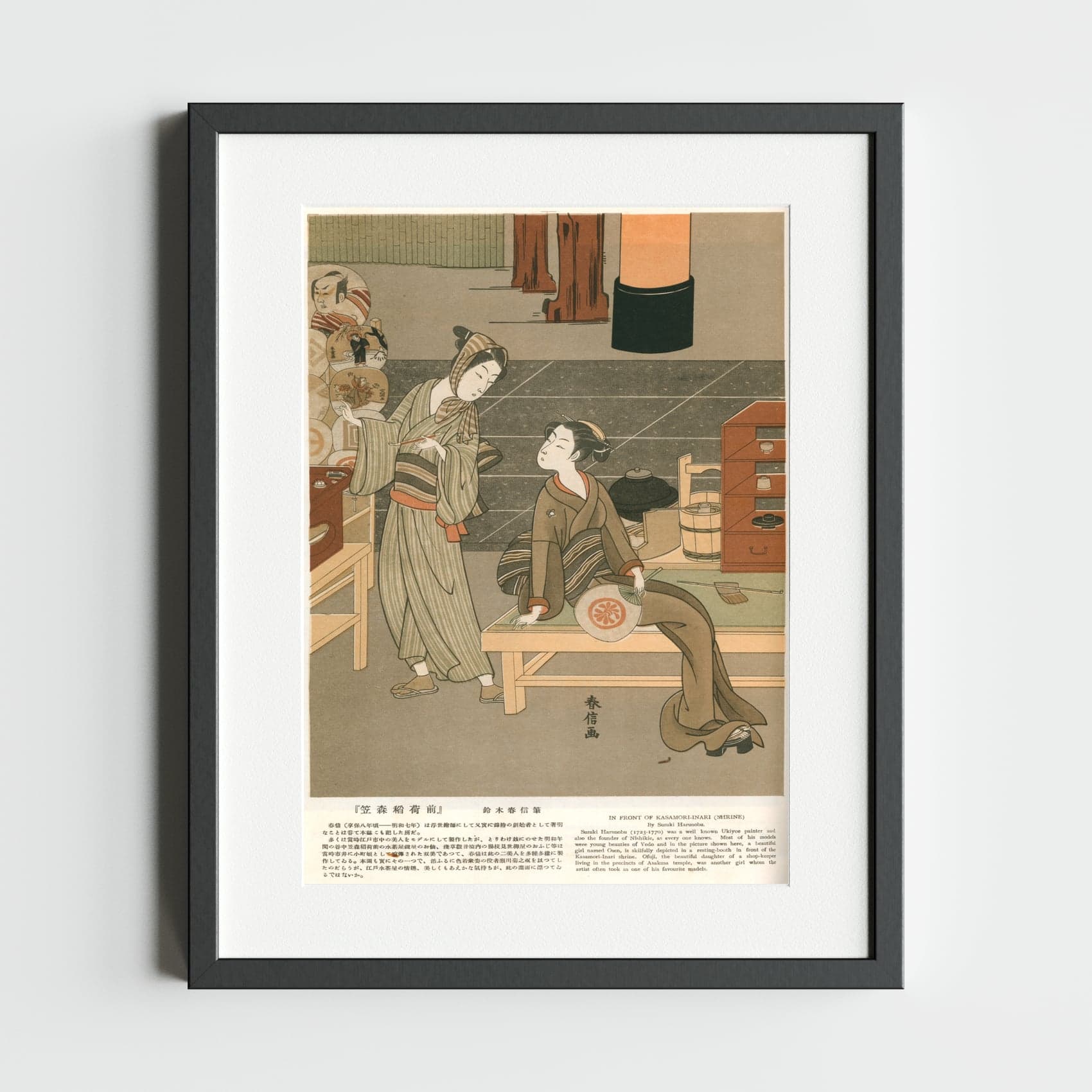
Suzuki Harunobu (1725–1770) is widely regarded as the founder of nishiki-e, the full-colour woodblock printing technique that transformed ukiyo-e from monochrome illustration into a luminous art form. Active in Edo, he was celebrated for his delicate bijin-ga, including his famous portraits of Osen, the beauty of the Kasamori shrine teahouse.
Utagawa Hiroshige
1797 – 1858Japanese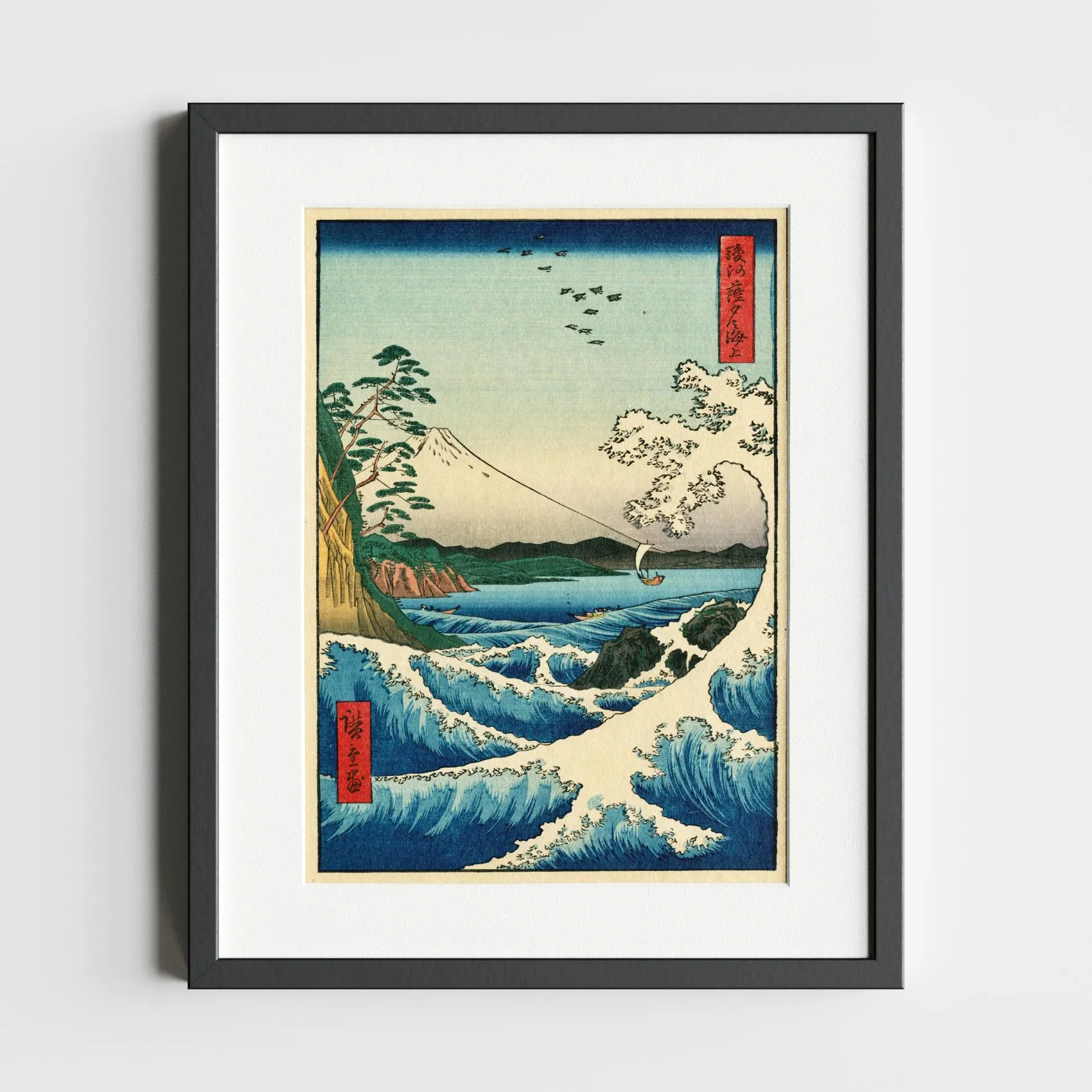
Utagawa Hiroshige was the undisputed master of Japanese landscape printmaking, producing over eight thousand prints during his prolific career. His series 'The Fifty-three Stations of the Tokaido' and 'One Hundred Famous Views of Edo' transformed ukiyo-e from its focus on figures toward the poetic possibilities of landscape. His work profoundly influenced the French Impressionists and Art Nouveau.
Utagawa Kuniyoshi
1798 – 1861Japanese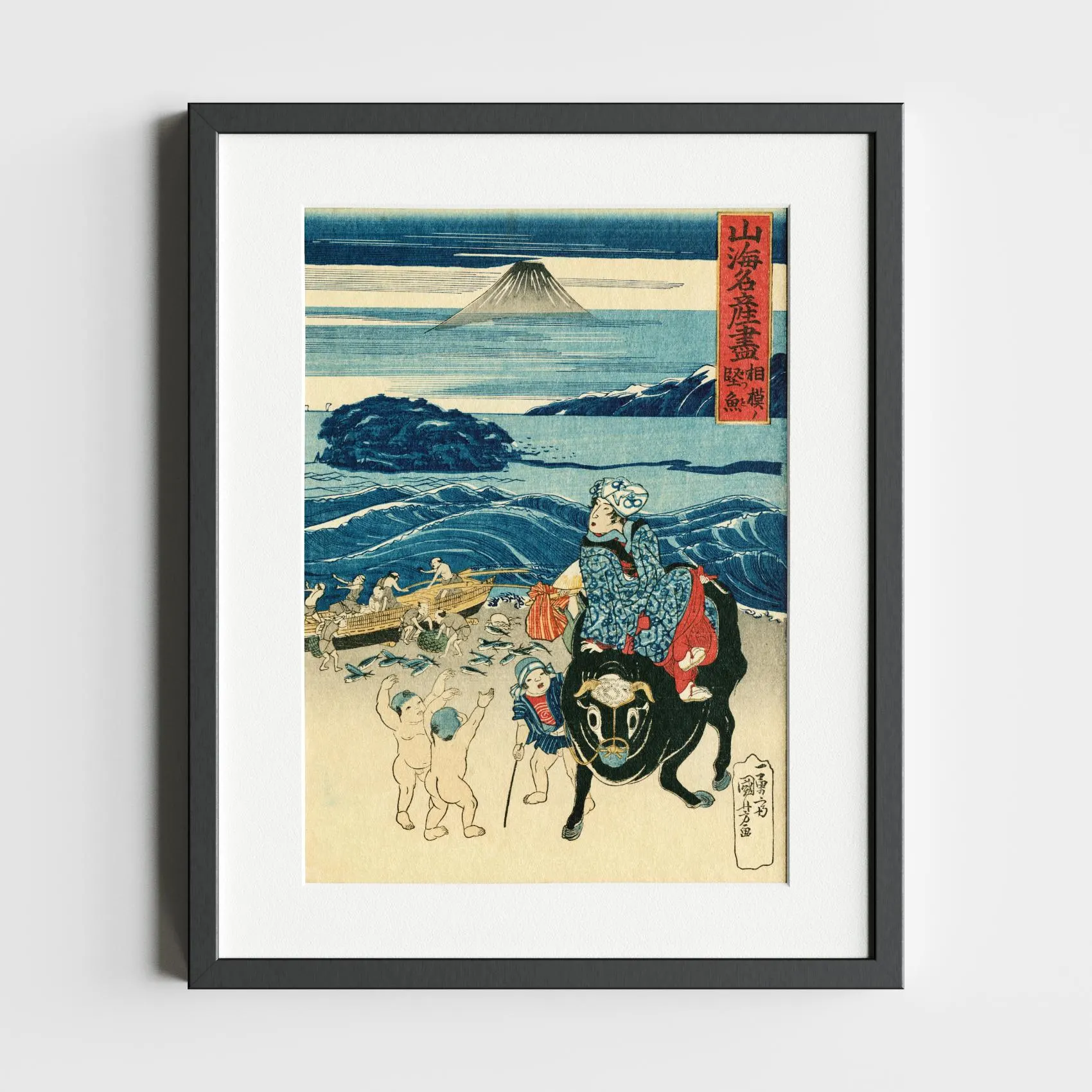
Utagawa Kuniyoshi was one of the last great masters of the ukiyo-e tradition, renowned for his dynamic warrior prints, supernatural subjects, and innovative compositions. His bold, muscular style and dramatic use of colour anticipated modern manga and graphic illustration by more than a century. He trained many students who carried the ukiyo-e tradition into the Meiji era.
Xavier Bricard
French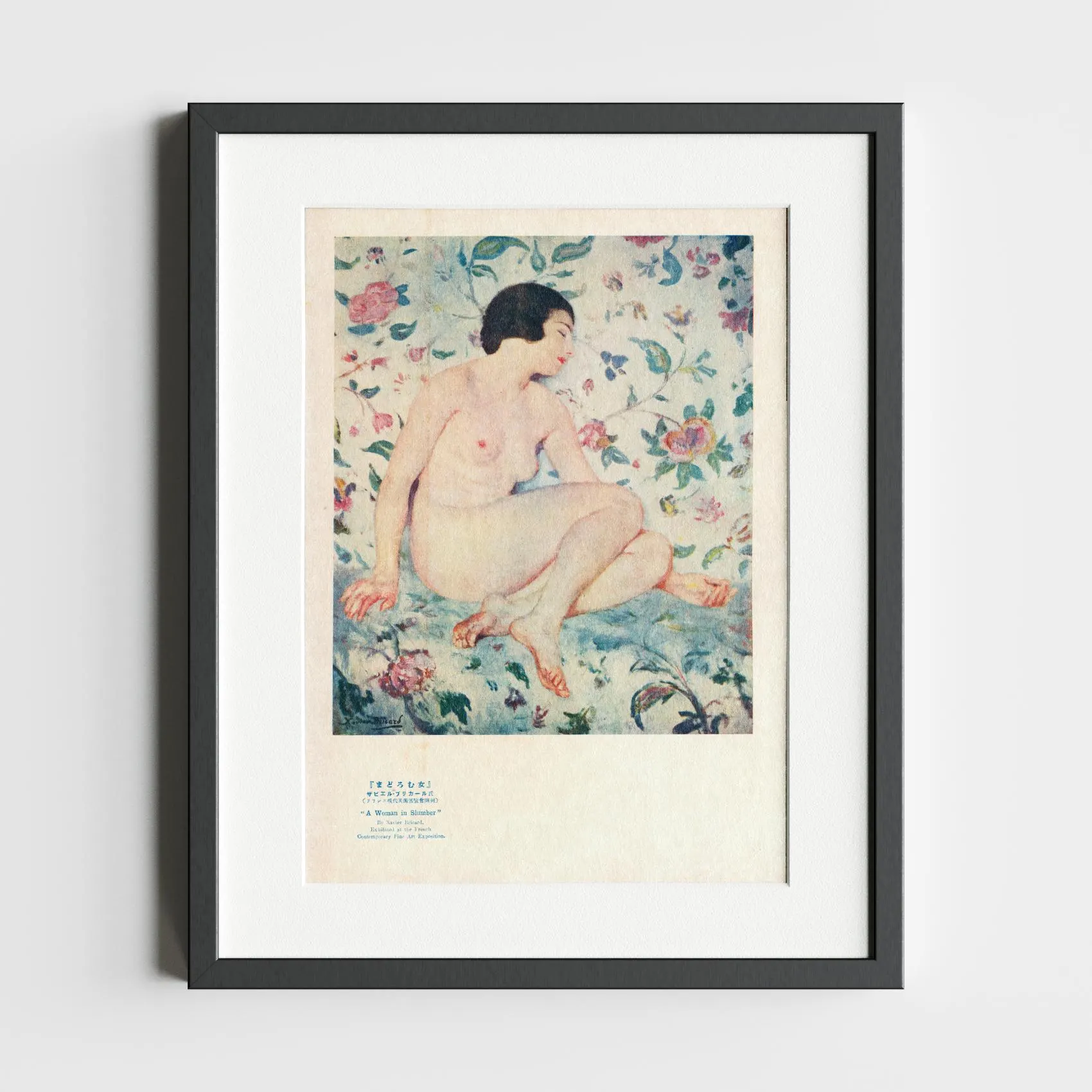
Xavier Bricard was a French academic painter active in the early twentieth century, working within the tradition of Salon painting that prized anatomical precision and luminous flesh tones. His works depict reclining figures and intimate domestic scenes with the technical mastery characteristic of the post-Bouguereau generation.